The number one thing a protein bar needs to do during weight loss is deliver protein without burning through your calorie budget. That's it. Taste, branding, Instagram aesthetics — none of it matters if the bar is 400 calories with 12 g of fat and mediocre protein.
We ranked over 400 protein bars and snacks in our catalogue by the metric that matters most in a deficit: protein per 100 kcal. Here's what actually comes out on top.
MacroXray may earn a commission on some links in this article at no extra cost to you. Full disclosure.
The top protein bars for weight loss
These bars deliver the most protein per calorie while keeping fat low — the two things that matter most when calories are limited.
| # | Product | P/100 kcal | kcal / 100 g | Fat / 100 g | XRay | Buy |
|---|---|---|---|---|---|---|
1 | 18.7g | 241.9 | 3.2g | 97 | Buy | |
2 | 18.7g | 241.9 | 3.2g | 96 | Buy | |
3 | 11.8g | 283.3 | 6.7g | 90 | Buy | |
4 | 11.8g | 283.3 | 7.5g | 90 | Buy | |
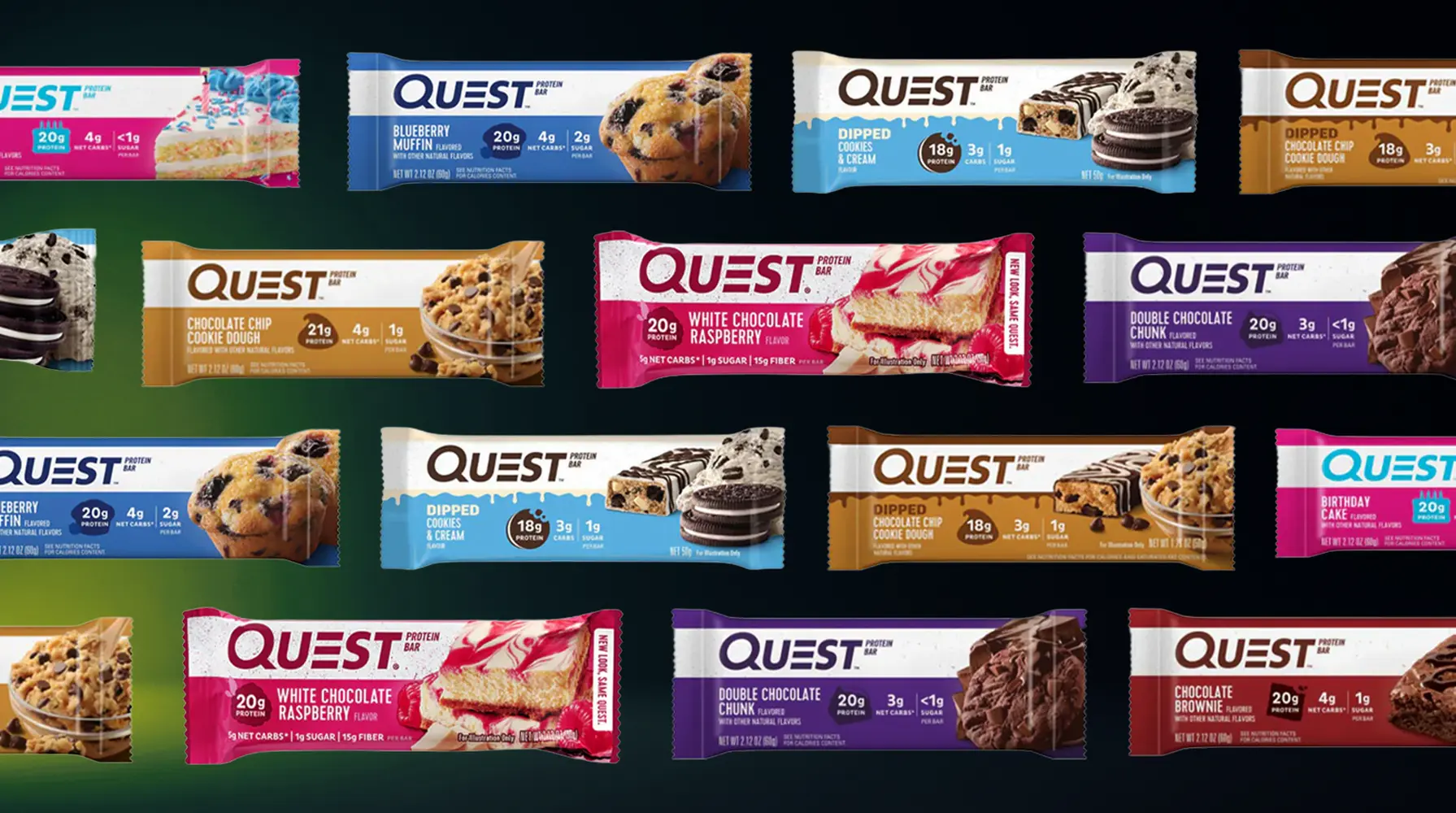
5 | 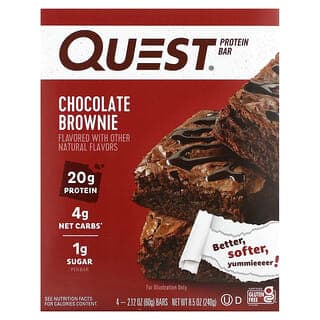 Quest Nutrition Protein Bar, Chocolate Brownie | 11.8g | 283.3 | 10.0g | 89 | Buy |
6 | 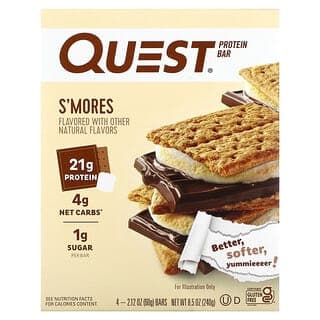 Quest Nutrition Protein Bar, S'Mores | 11.7g | 300.0 | 11.7g | 89 | Buy |
7 | 12.1g | 350.0 | — | 87 | Buy | |
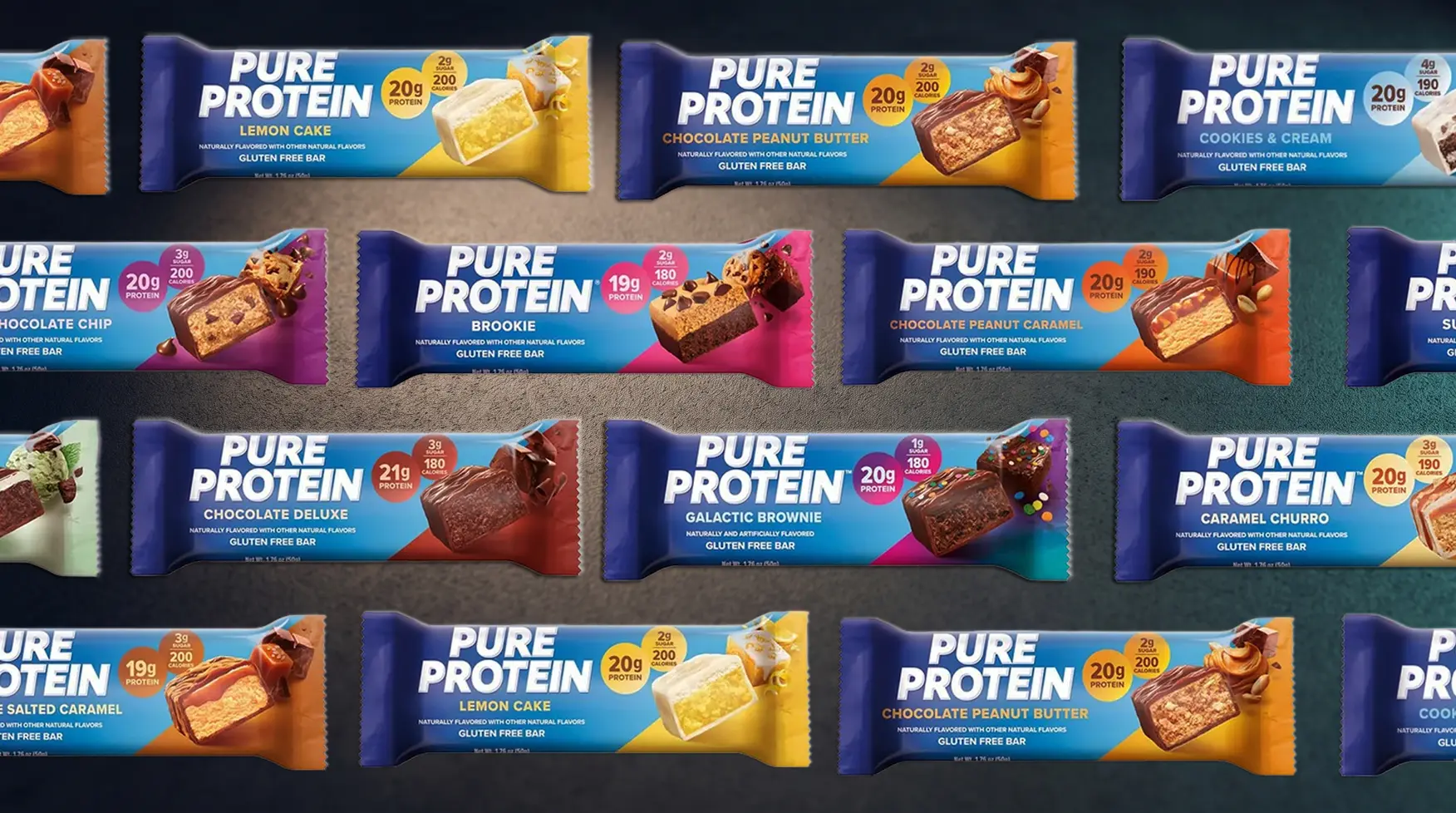
8 | 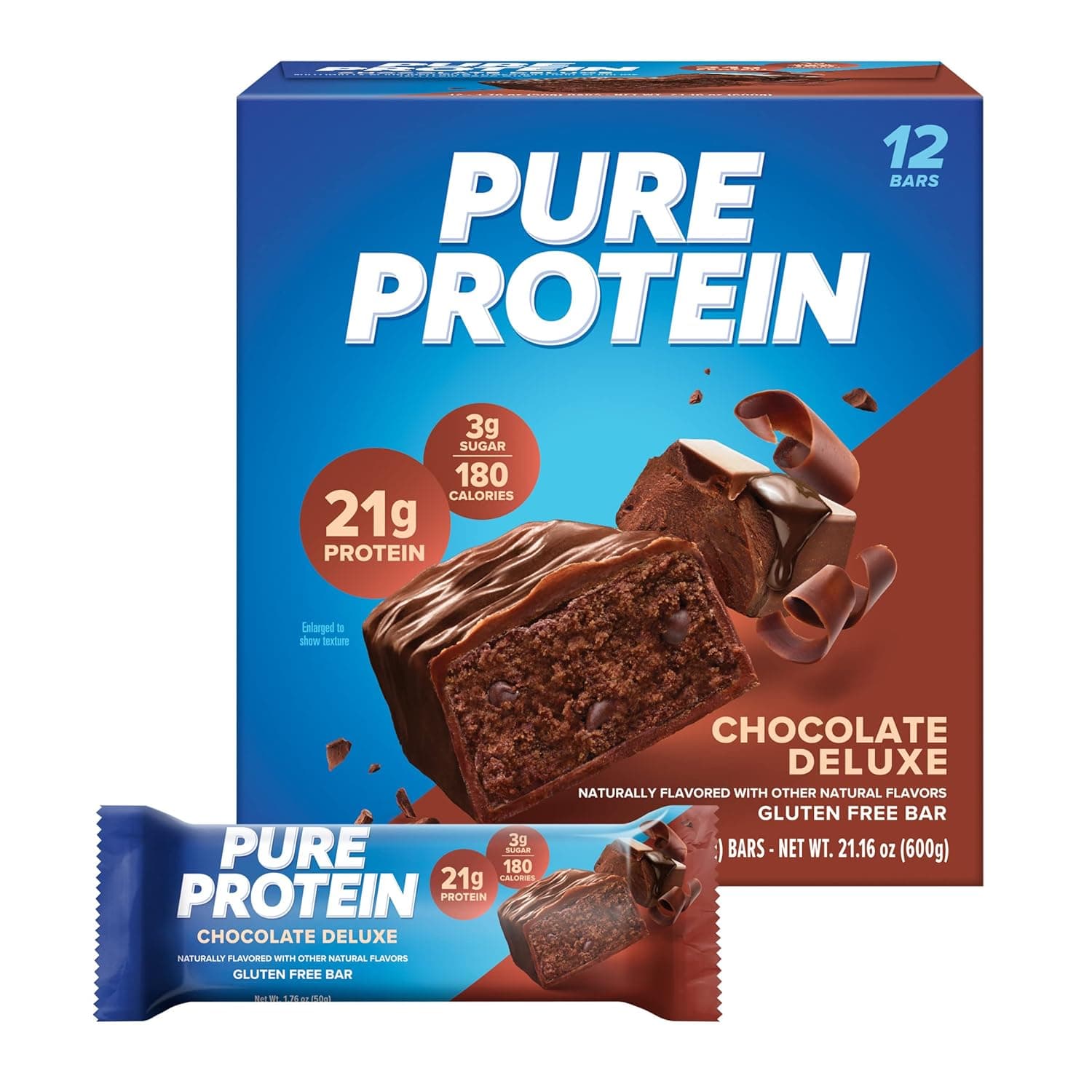 Pure Protein Pure Protein Bars (Chocolate Deluxe) | 11.7g | 360.0 | 9.0g | 82 | Buy |
9 | 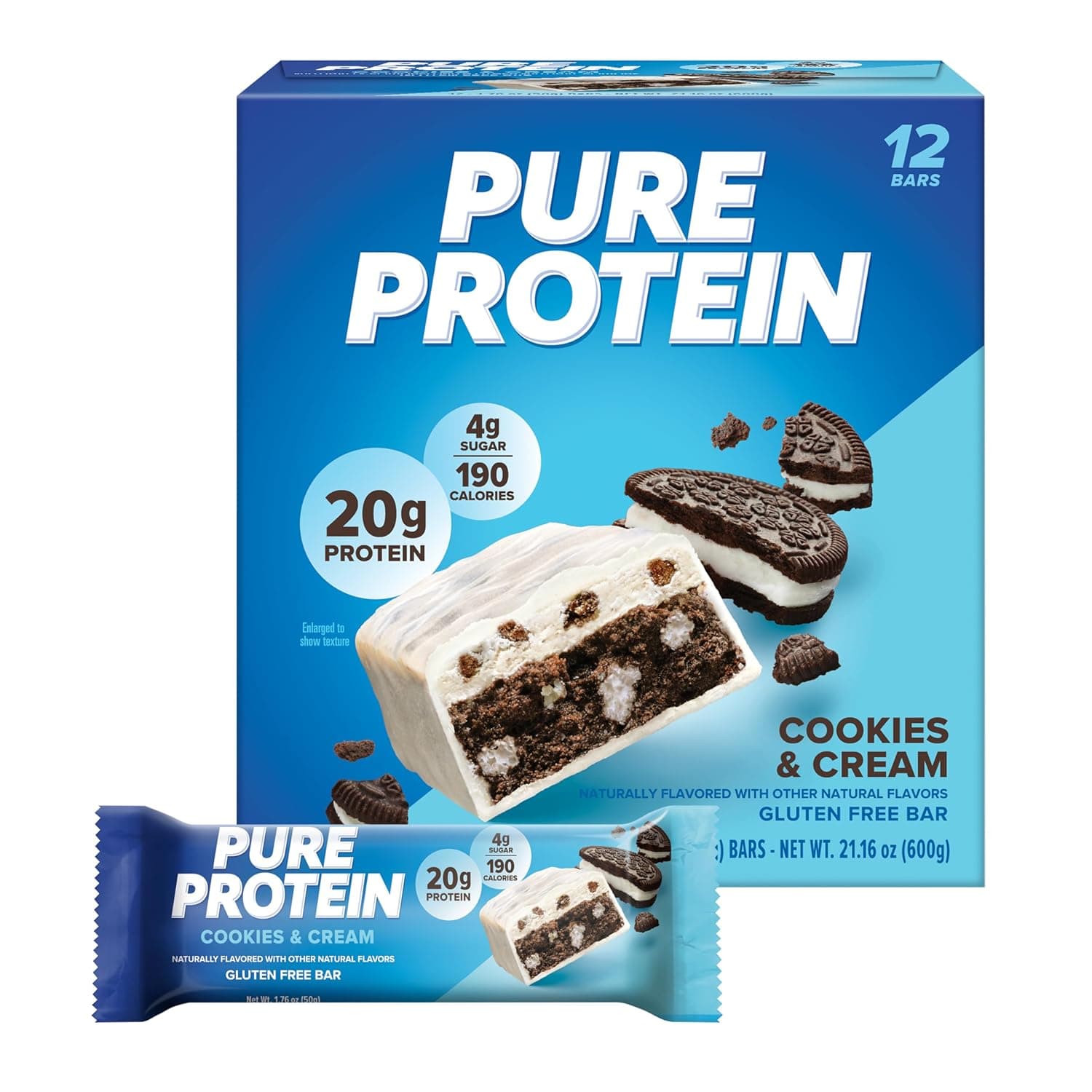 Pure Protein Pure Protein Bars (Cookies and Cream) | 10.5g | 380.0 | 12.0g | 81 | Buy |
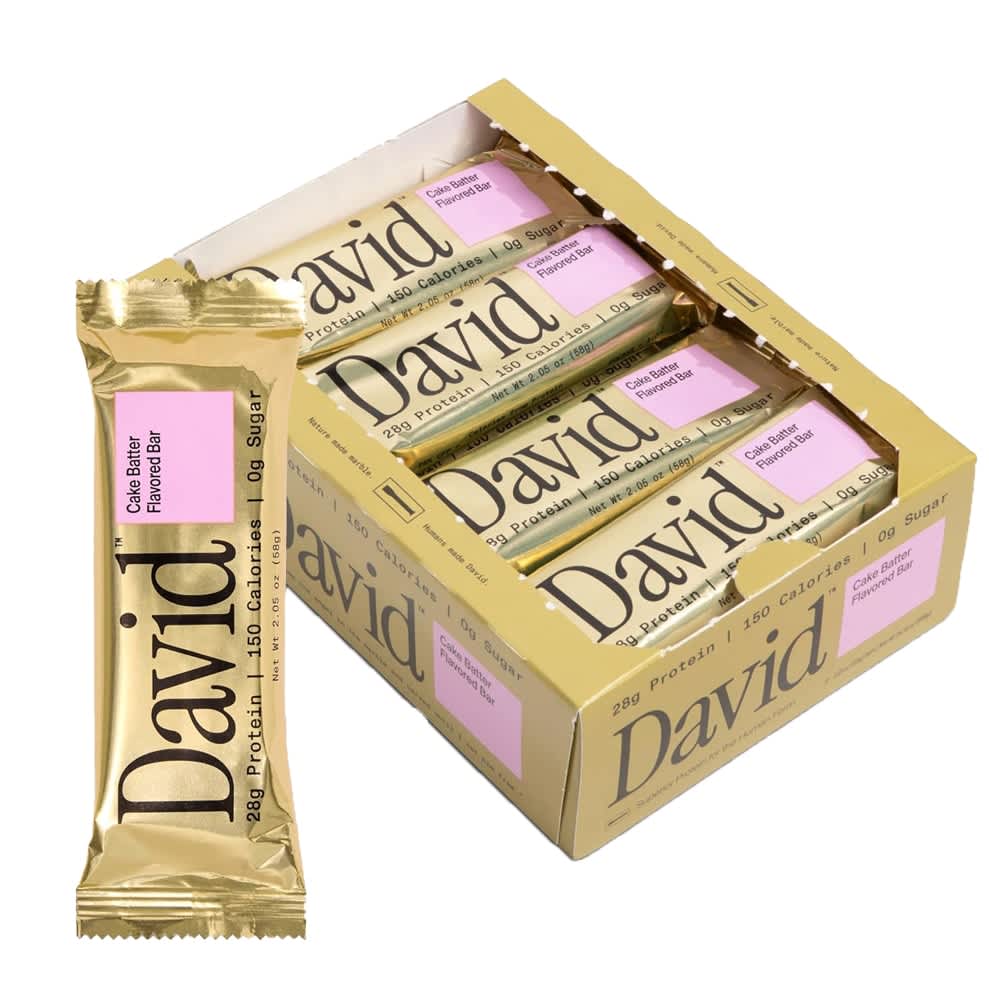
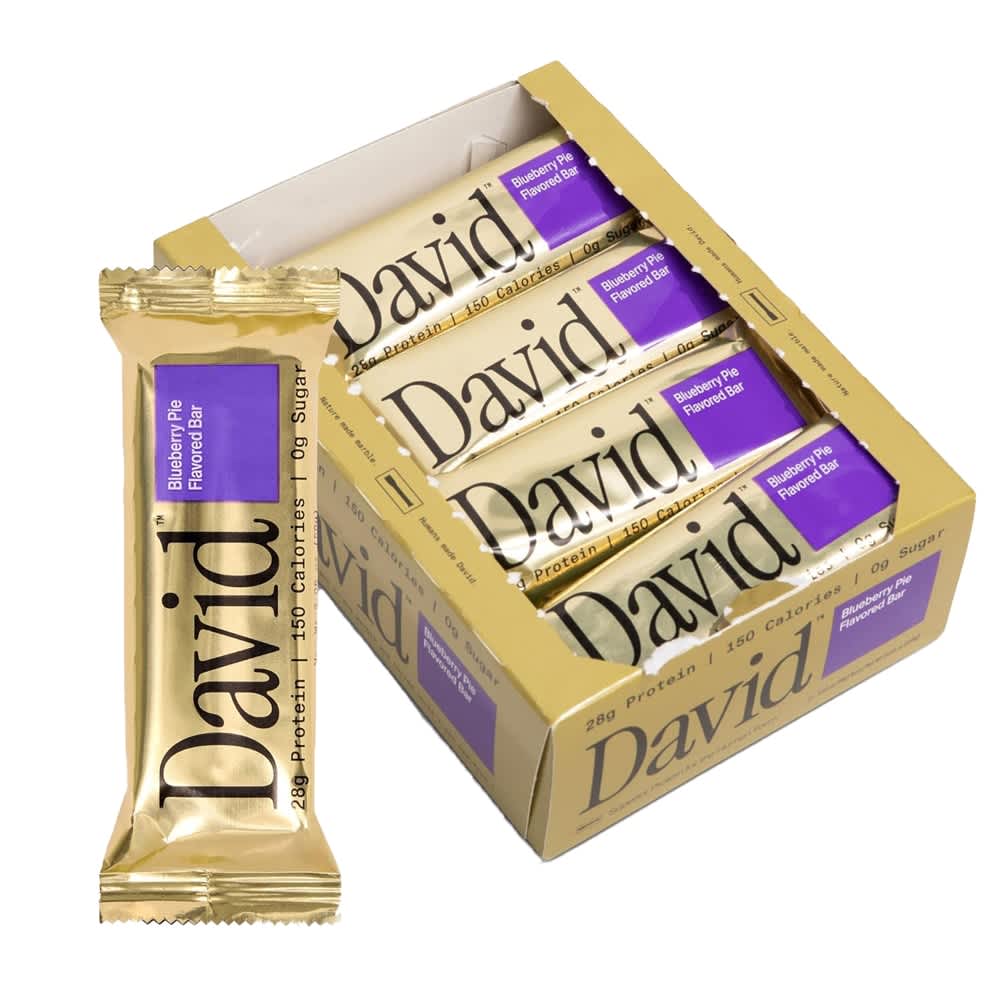
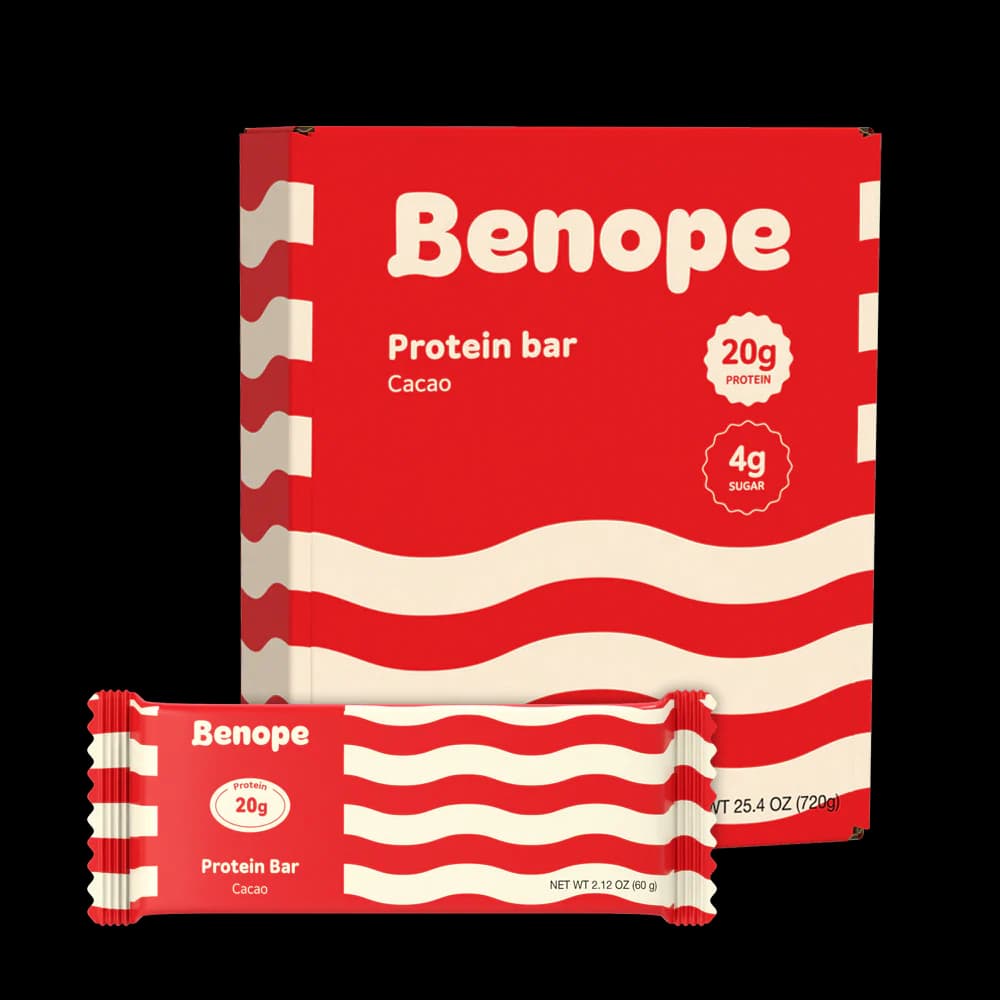
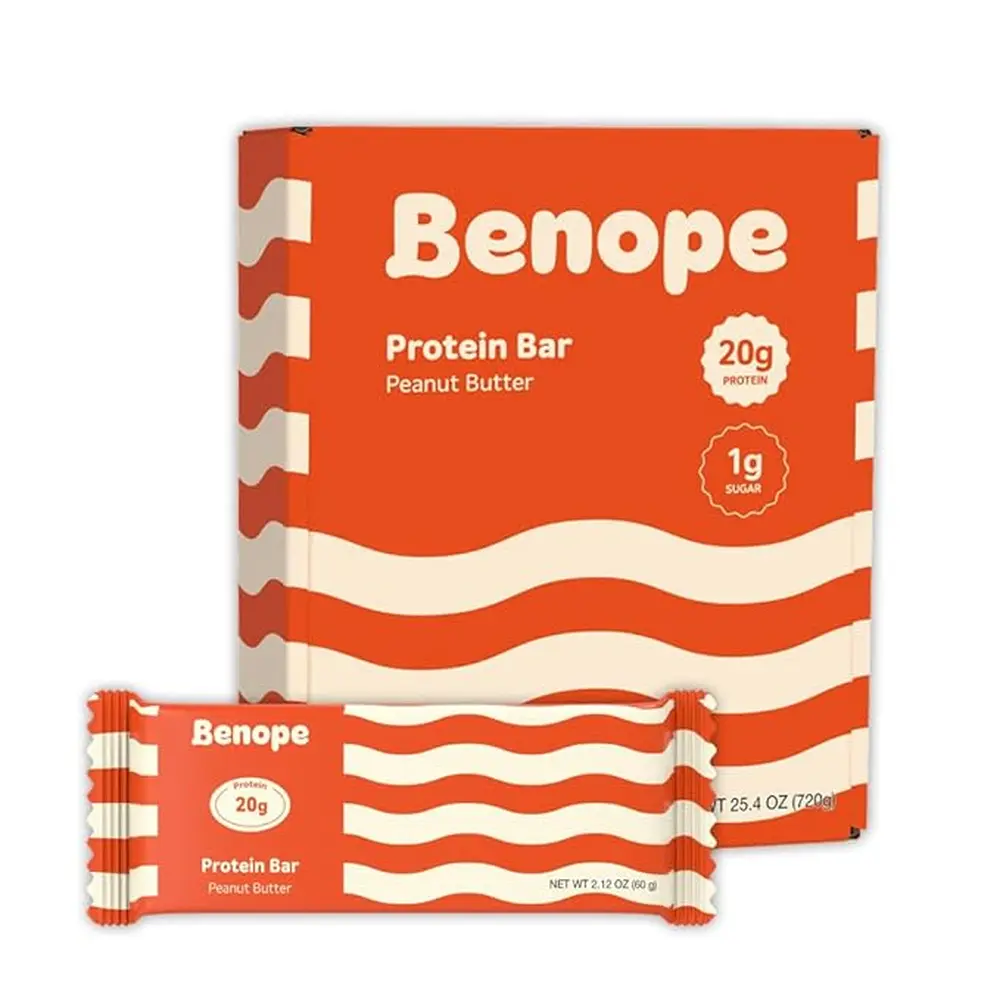
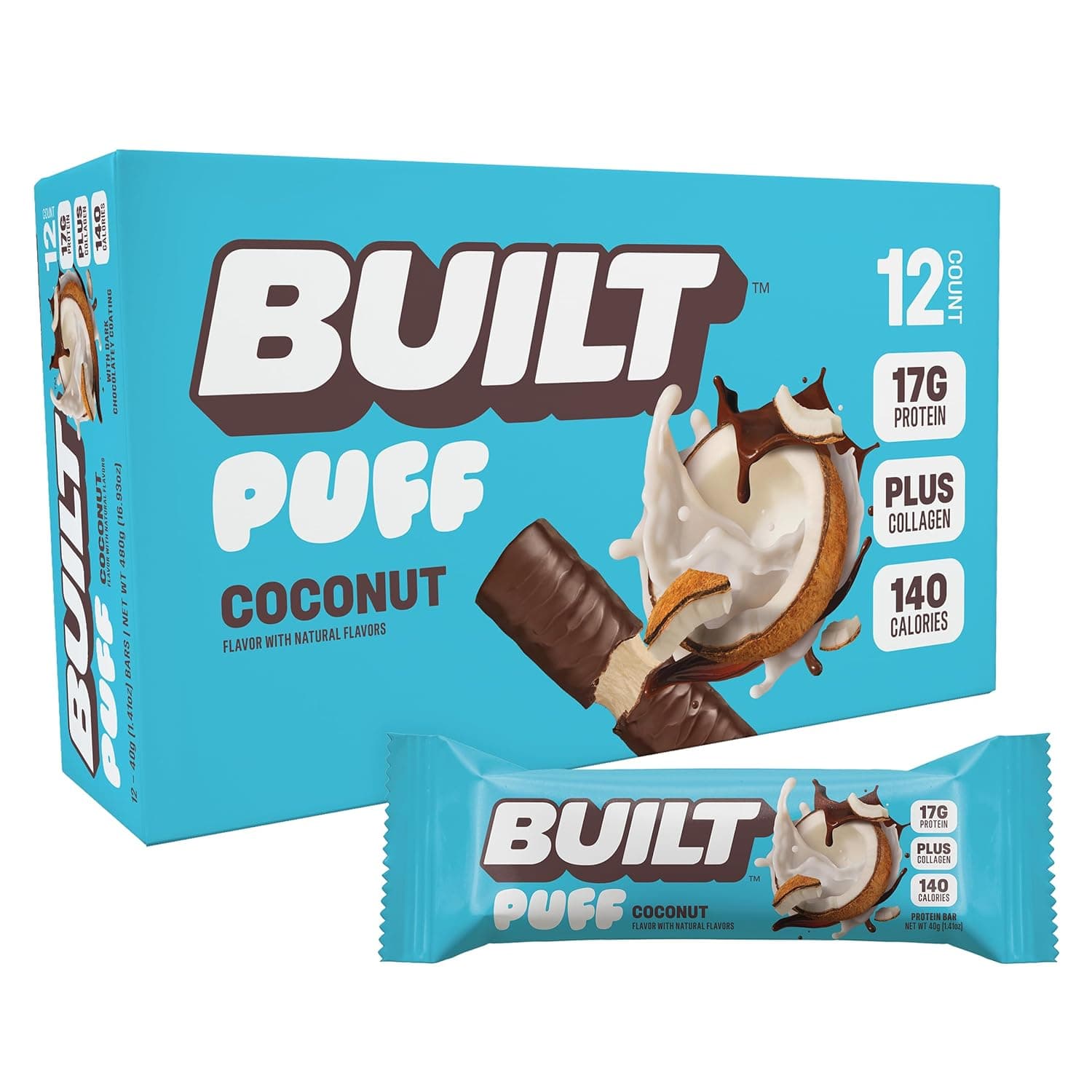
A few things jump out. David bars sit in a league of their own at 18.67 g protein per 100 kcal — far ahead of everything else. Benope, hailing from South Korea, is a strong recent addition: 33 g protein and 23–25 g fiber per 100 g at just 283 kcal, with less fat than Quest (6.7–10 g vs 10–13 g). Quest bars combine similar protein efficiency with 20+ g fiber per 100 g, which directly helps with satiety during a cut. And Pure Protein delivers solid efficiency at roughly half the price of the premium brands.
For a deeper dive into the cutting-specific shortlist, we covered the top 7 bars for cutting in a separate piece.
Going beyond bars: protein snacks that work in a deficit
Bars aren't the only option. Protein crisps and puffs can be better for weight loss because they're portion-controlled and feel more like a treat — which matters when you're restricting calories for weeks.
| # | Product | P/100 kcal | kcal / 100 g | Fat / 100 g | XRay | Buy |
|---|---|---|---|---|---|---|
1 | 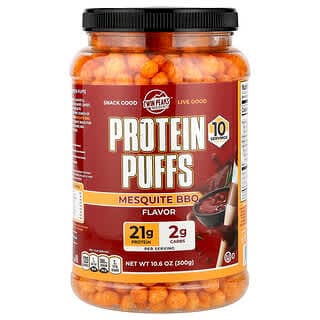 Twin Peaks Ingredients Protein Puffs, Mesquite BBQ | 17.5g | 400.0 | 10.0g | 92 | Buy |
2 | 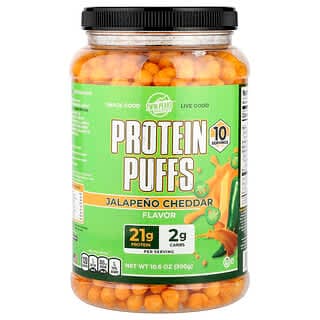 Twin Peaks Ingredients Protein Puffs, Jalapeno Cheddar | 17.5g | 400.0 | 10.0g | 92 | Buy |
3 | 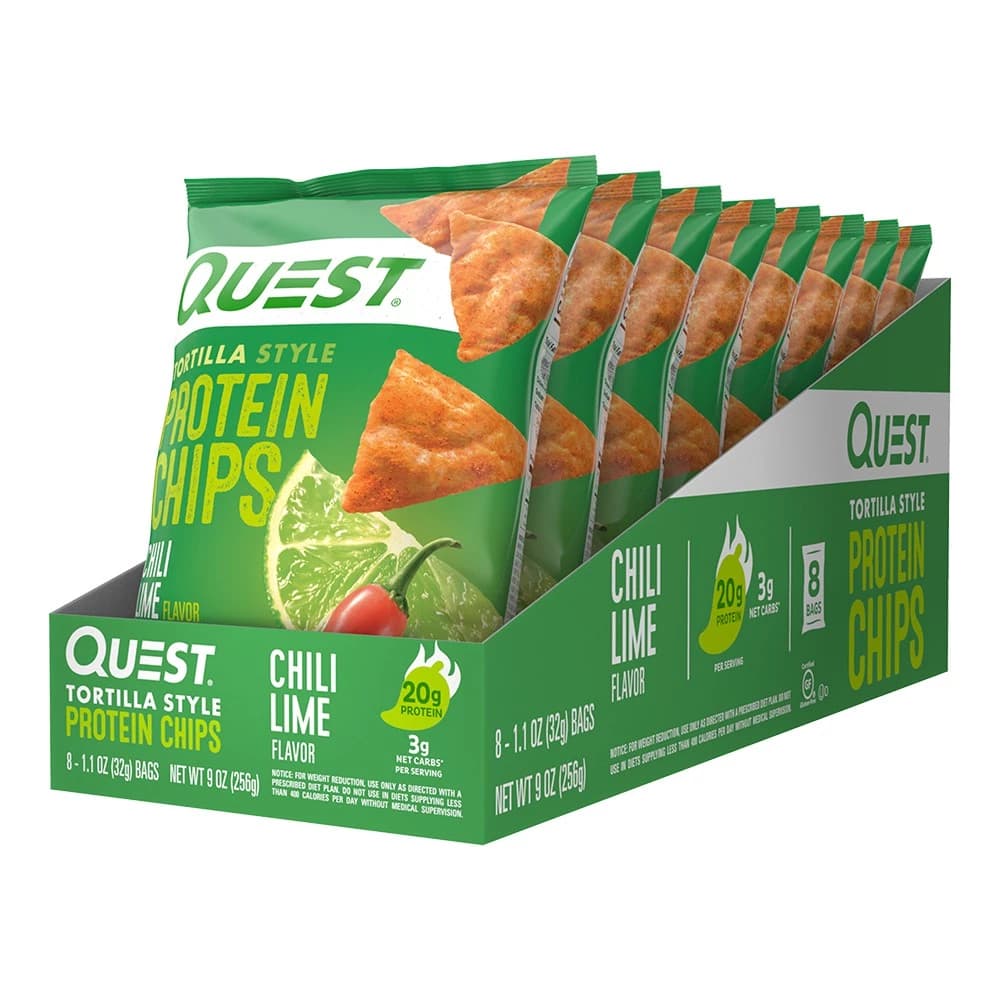 Quest Nutrition Tortilla Style Protein Chips, Chili Lime | 14.3g | 437.5 | 14.1g | 90 | Buy |
4 | 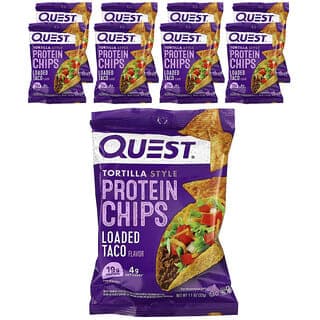 Quest Nutrition Tortilla Style Protein Chips, Loaded Taco | 13.6g | 437.5 | 15.6g | 84 | Buy |
5 | 13.0g | 386.0 | 6.0g | 81 |
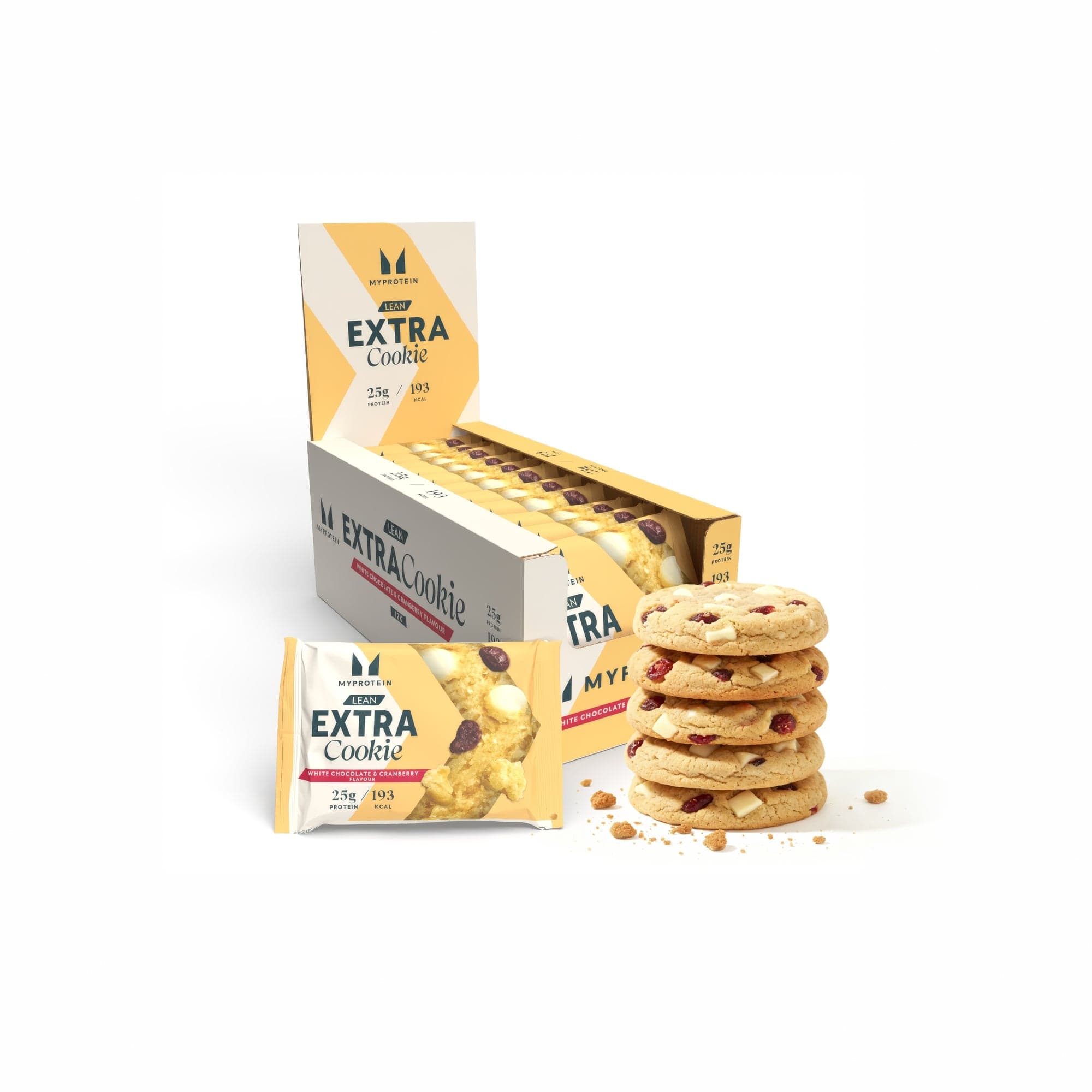
Twin Peaks Protein Puffs are the standout: 70 g protein per 100 g at just 400 kcal, with only 10 g fat. That's 17.5 g protein per 100 kcal — better than almost every bar on the market. We covered the Puffs vs Quest Chips matchup in detail if you want the full comparison.
Barebells vs Pure Protein: which is better for weight loss?
This is one of the most common questions in protein bar communities, so let's put numbers to it.
| Metric | Side A | 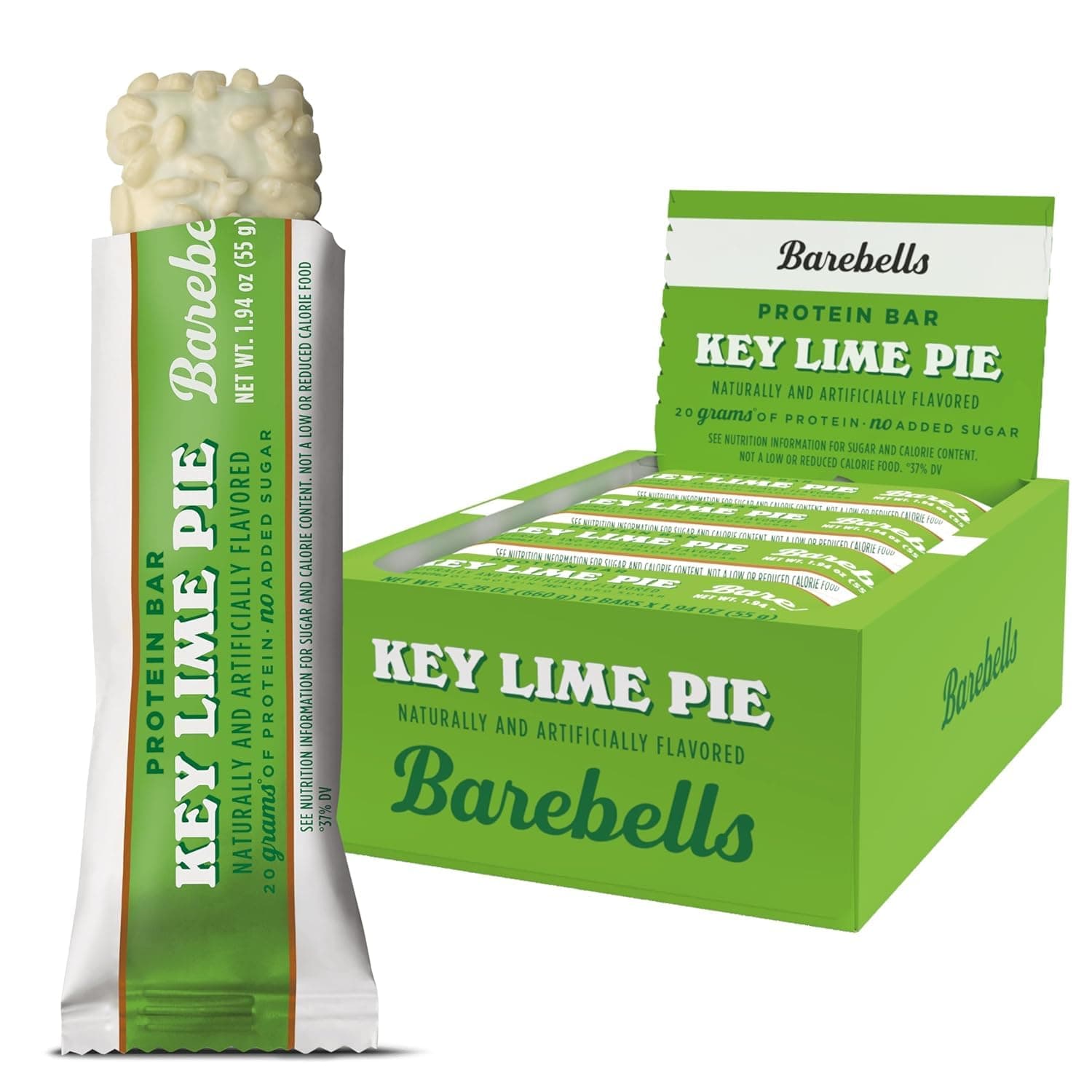 Side B Side B |
|---|---|---|
| Protein / 100 kcal | 11.7 g | 10.0 g |
| Protein / 100 g | 42.0 g | 36.4 g |
| Calories / 100 g | 360.0 kcal | 363.6 kcal |
| Fat / 100 g | 9.0 g | 12.7 g |
| Net carbs / 100 g | 30.0 g | 27.3 g |
| Fiber / 100 g | 4.0 g | 5.5 g |
| Sugar / 100 g | 6.0 g | 1.8 g |
Pure Protein wins on every weight-loss metric. Across all flavors, Pure Protein bars average an XRay Score of 77.2 with ranks between #28–#72. Barebells averages 64.4 with ranks between #78–#207. The gap comes down to three things: Pure Protein has more protein per 100 g (38–42 g vs a flat 36 g for Barebells), less fat on the leaner flavors (9 g vs 11–16 g), and costs roughly half as much ($1.24–$1.79/bar vs $2.25–$4.58/bar).
Barebells bars taste better — that's their pitch and most people agree. But if your goal is weight loss and you're counting macros, Pure Protein gives you more protein for fewer calories at a lower price. The taste gap is real; the nutrition gap is bigger.
Find your own best pick
Every bar in this article is ranked using our Optimise tool — it lets you filter the full catalogue by what matters to you: leanest bar, best value shake, highest protein per calorie. If none of the picks here match your dietary needs (vegan, dairy-free, specific price range), Optimise will surface the ones that do.
The bottom line
For weight loss, the math is simple: maximise protein per calorie, keep fat low, and don't overpay. The bars and snacks above are the ones that survive that filter. Everything else is marketing.