Cutting is the phase where your protein bar choice actually matters. In a calorie surplus, an extra 50 kcal barely registers. In a deficit, it's the difference between hitting your target and overshooting before dinner. The bar you grab at 3pm needs to deliver maximum protein for minimum caloric cost.
We ranked over 200 protein bars in our catalogue by protein efficiency — grams of protein per 100 kcal — and cross-referenced with leanness to find the bars that genuinely earn their place in a cutting diet. The results were surprisingly concentrated: only seven bars rank in the top 20 for both protein efficiency and leanness, and they come from just three brands.
The top 7 bars for cutting
These are the only bars that rank in the top 20 for both protein efficiency and leanness across our full catalogue. This isn't a "best of" list — it's a data filter. If a bar doesn't appear here, it failed one of the two criteria.
| # | Product | XRay | P/100 kcal | kcal / 100 g | |
|---|---|---|---|---|---|
1 | 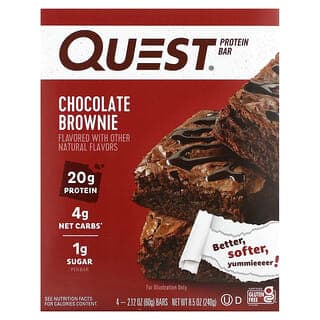 Quest Nutrition Protein Bar, Chocolate Brownie | 89 | 11.8g | 283.3 | |
2 | 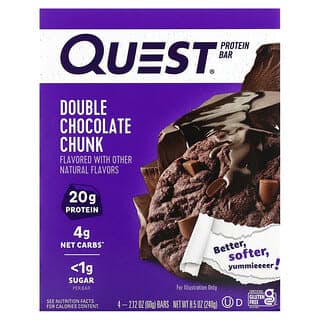 Quest Nutrition Protein Bar, Double Chocolate Chunk | 84 | 11.8g | 283.3 | |
3 | 80 | 12.1g | 350.0 | ||
4 | 80 | 12.1g | 350.0 | ||
5 | 79 | 11.3g | 375.0 | ||
6 | 74 | 10.9g | 342.5 | ||
7 | 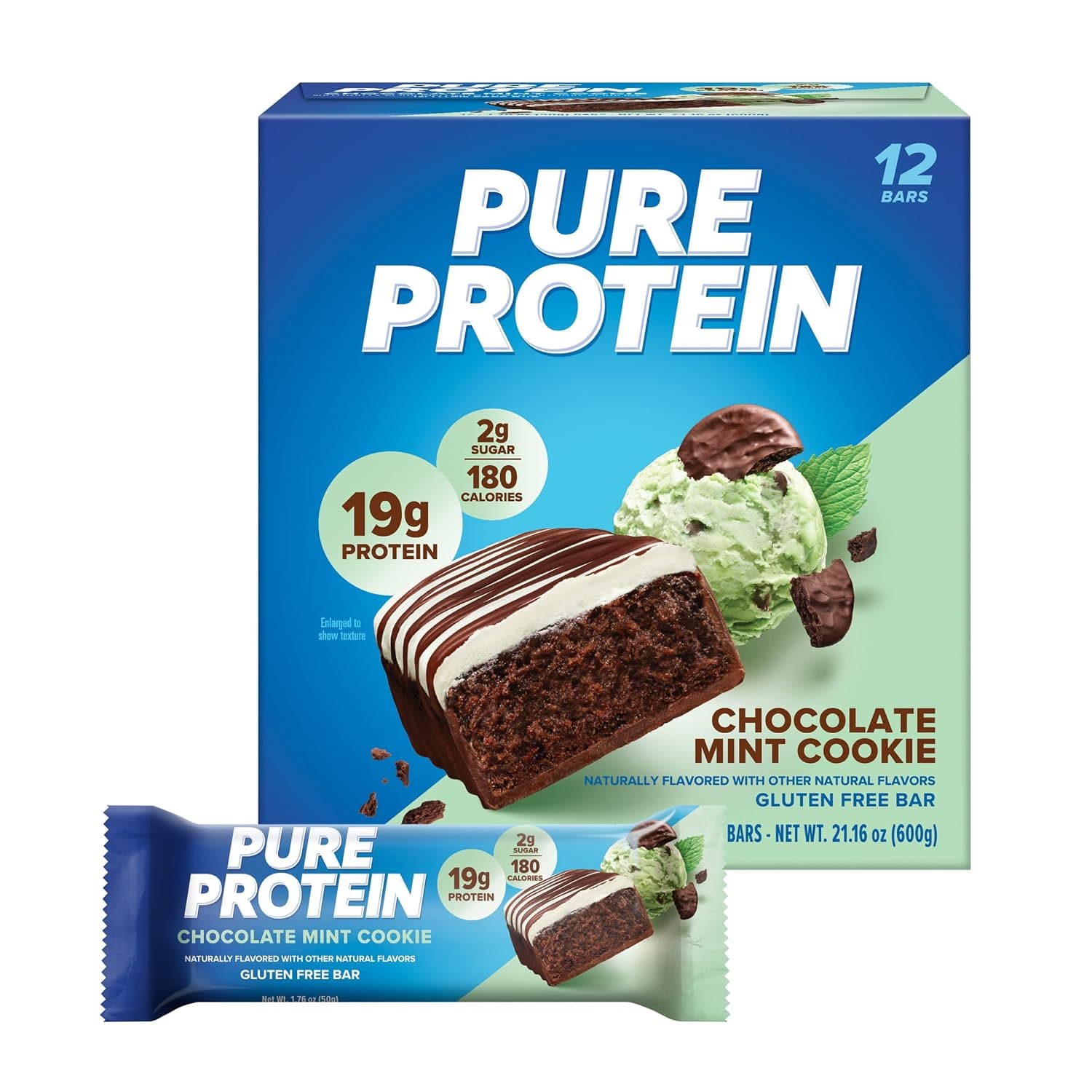 Pure Protein Pure Protein Bars (Chocolate Mint Cookie) | 79 | 10.6g | 360.0 |
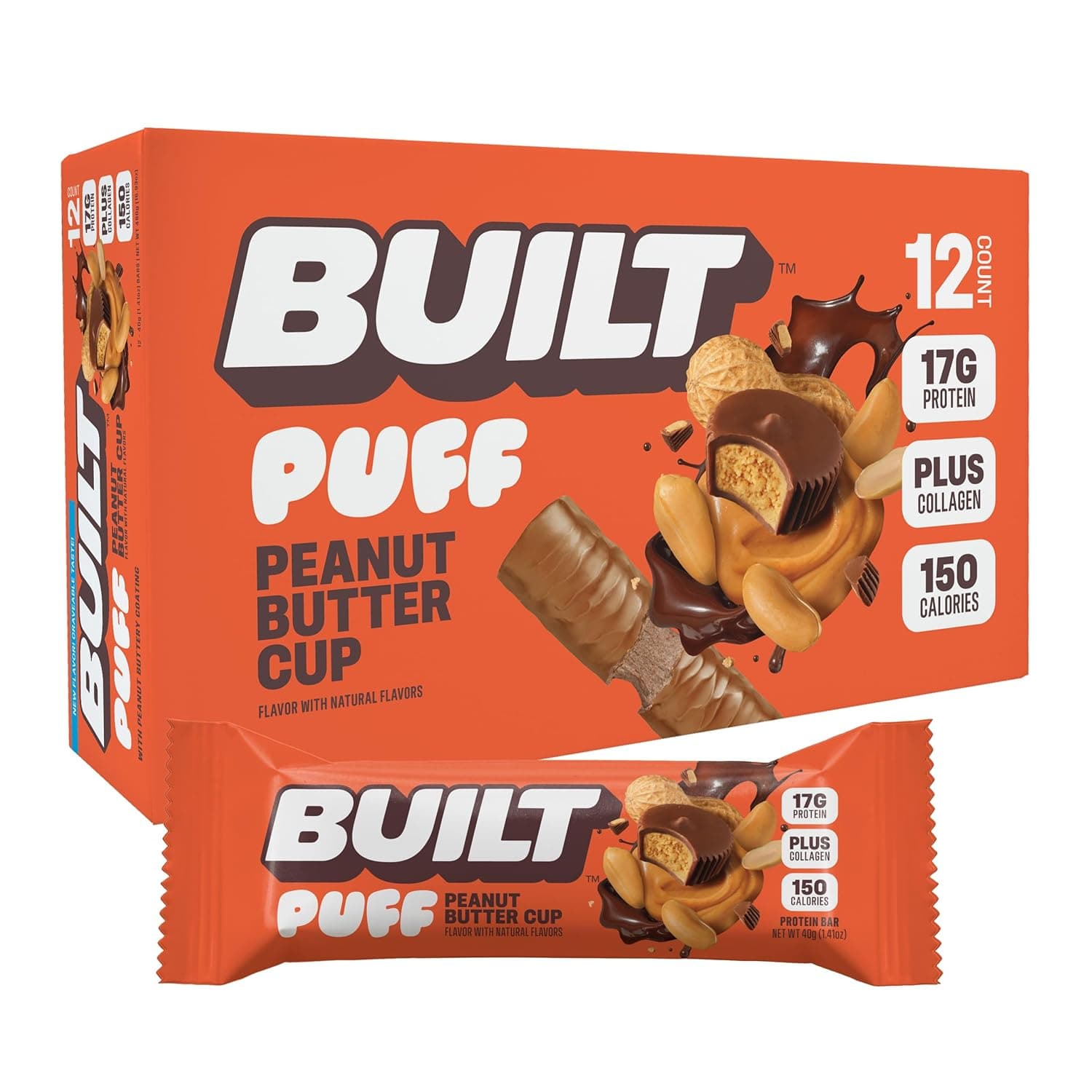
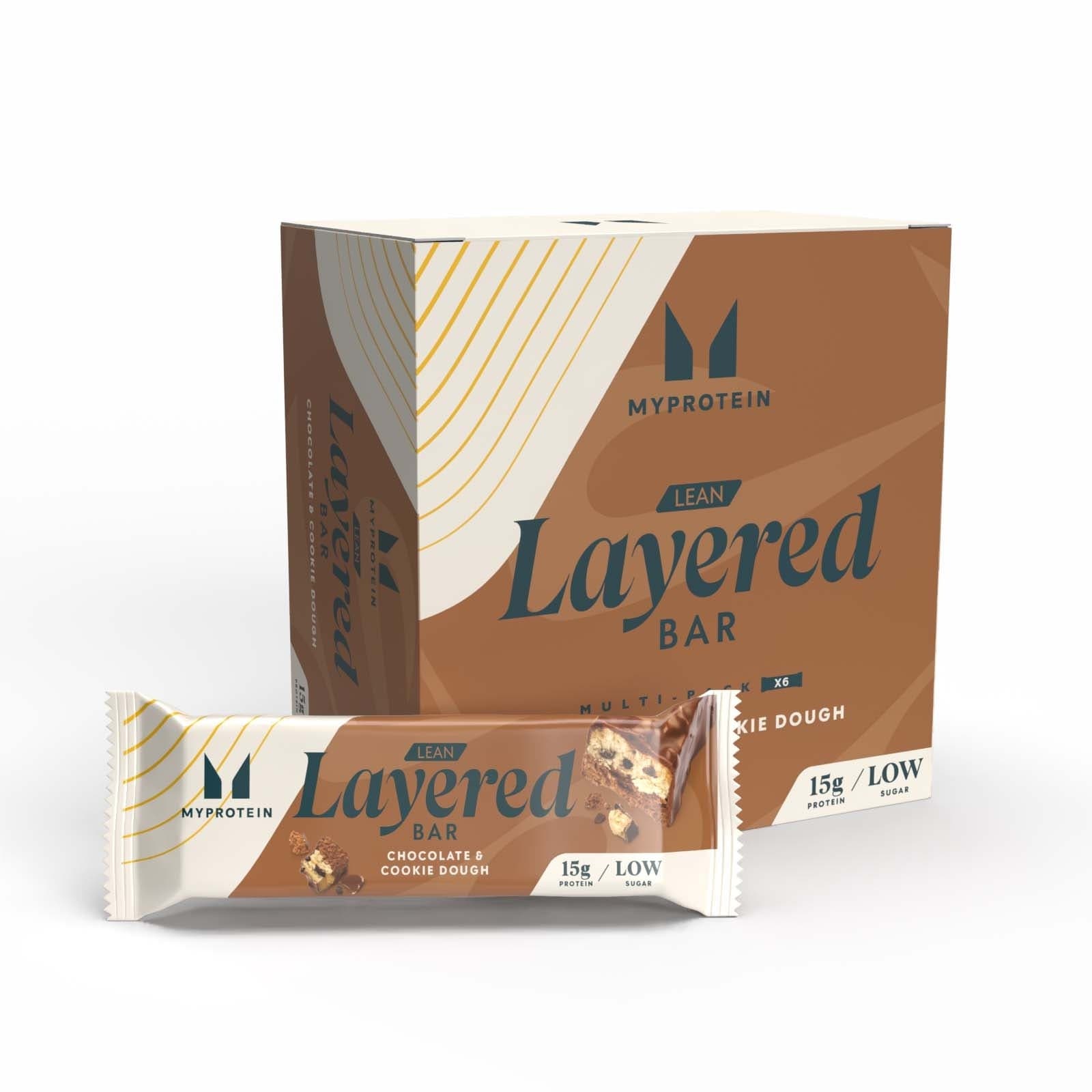
Two things jump out immediately. First, Quest and Built Puff dominate — six of the seven slots belong to those two brands, with MyProtein and Pure Protein each taking one. Second, the protein efficiency numbers are tightly clustered: between 10.6 and 12.1 g of protein per 100 kcal. The difference between #1 and #7 is narrow, which means the choice between them comes down to other factors — fiber, sugar, price, and taste.
Quest: the lowest-calorie option
If your cutting strategy is pure calorie minimisation, Quest bars are the answer. Quest Chocolate Brownie delivers 33.33 g of protein per 100 g at just 283.33 kcal — the lowest calorie density of any bar in our top tier. That's 11.76 g of protein per 100 kcal.
The lowest-calorie bar in the cutting shortlist — 283 kcal per 100 g with 25 g of fiber.
What makes Quest bars particularly effective for cutting goes beyond protein efficiency. They pack 20–25 g of fiber per 100 g, which is remarkable for a protein bar and directly aids satiety — the biggest challenge in a deficit. As we covered in our fiber article, Quest's fiber content is a meaningful part of why they consistently rank in the top 5 overall.
Quest Double Chocolate Chunk matches the Brownie on calories (283.33 kcal per 100 g) and protein (33.33 g per 100 g) with 20 g of fiber. It sits at rank #5 overall with an XRay Score of 87.3 — just behind the Brownie's 89.8. At $4.35 per 100 g, Quest bars are also the most affordable option in this shortlist — a relevant factor when you're eating them daily during a cut.
Built Puff: the protein density play
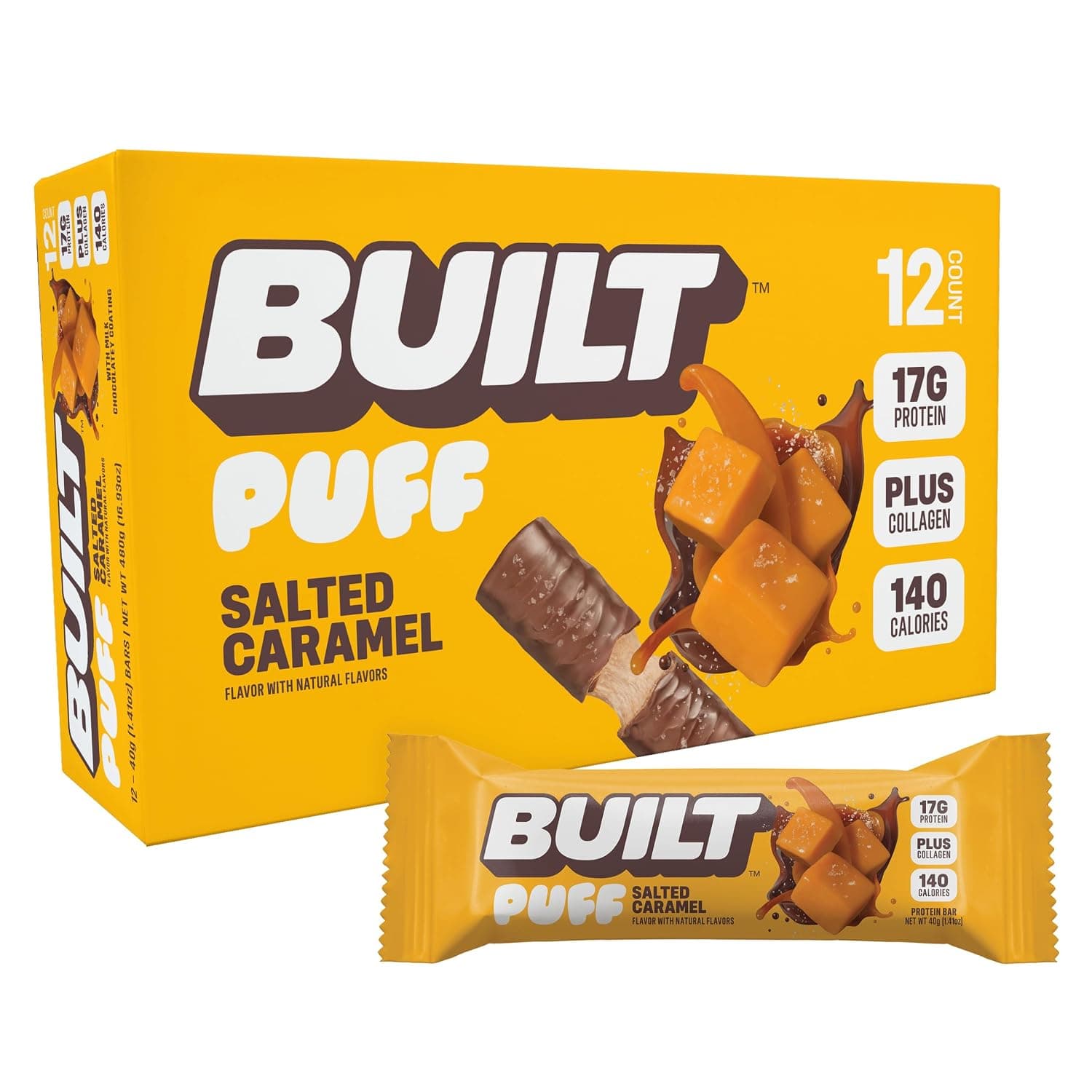
Built Puff bars take a different approach. Where Quest minimises calories, Built maximises protein concentration. Every Built Puff variant delivers 42.5 g of protein per 100 g — the highest protein density of any bar in the top 20 for protein efficiency.
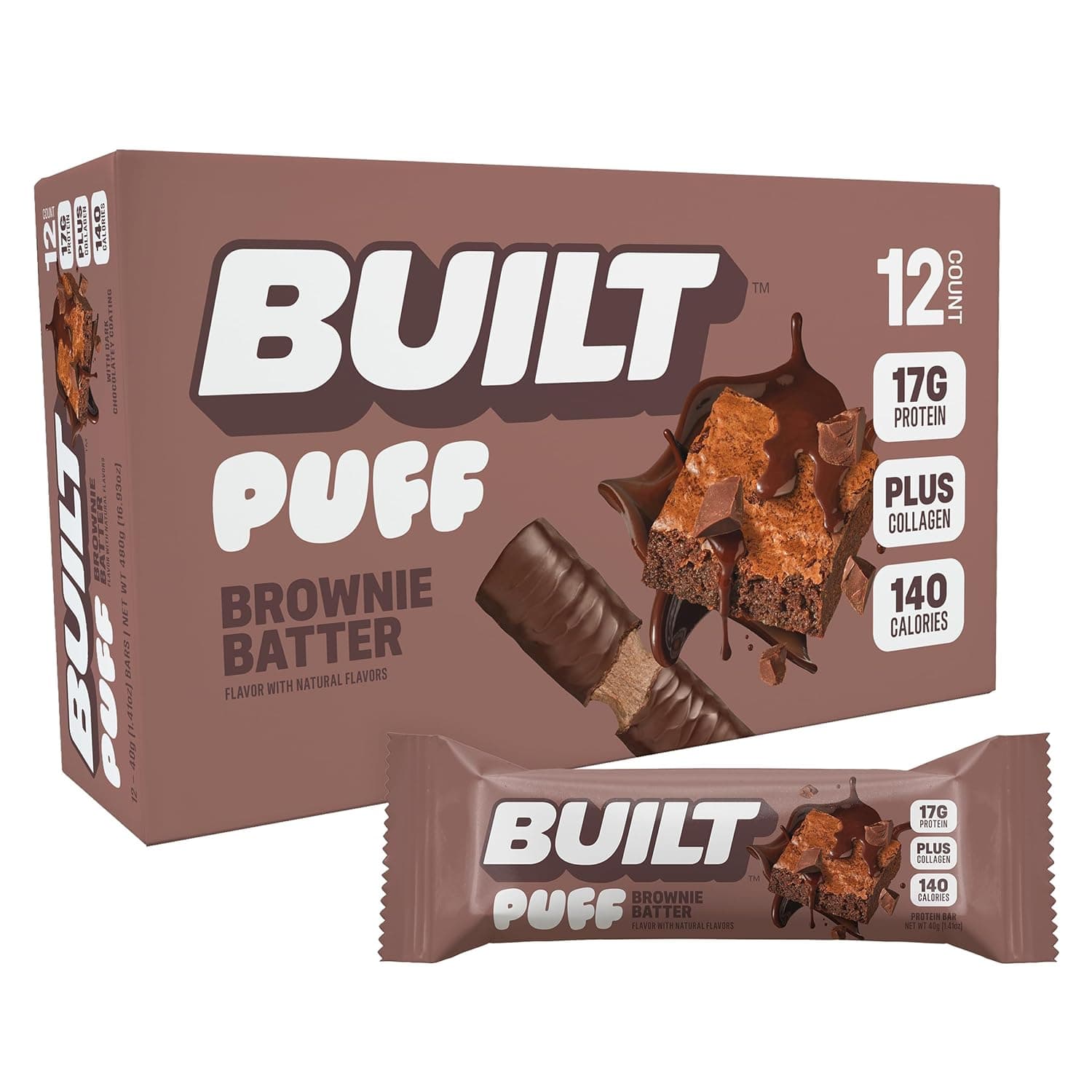
Rank #1 for protein efficiency — 42.5 g protein per 100 g, the highest concentration in the elite tier.
Built Puff Brownie Batter holds rank #1 for protein efficiency in the entire bar category, with 12.14 g of protein per 100 kcal. The Salted Caramel variant matches that efficiency at 350 kcal per 100 g, while Peanut Butter Cup and Cookies 'N Cream come in at 375 kcal with slightly higher sugar (15–17.5 g per 100 g).
The trade-off: Built Puff bars have essentially zero fiber, where Quest bars have 20+ g. During a cut, that fiber difference translates directly to how full you feel an hour after eating. Built gives you more protein per bar; Quest keeps you feeling satisfied longer.
The middle ground: MyProtein and Pure Protein
If the Quest-vs-Built decision feels too binary, two other bars qualify for the cutting shortlist.
MyProtein Lean Layered Bar (Chocolate Cookie Dough) delivers 37.5 g of protein and 13.5 g of fiber per 100 g at 342.5 kcal — it splits the difference between Quest's fiber and Built's protein density. Its XRay Score of 74.5 at rank #35 overall reflects that balanced profile. The White Chocolate Raspberry variant is nearly identical at 37.5 g protein, 13 g fiber, 345 kcal per 100 g.
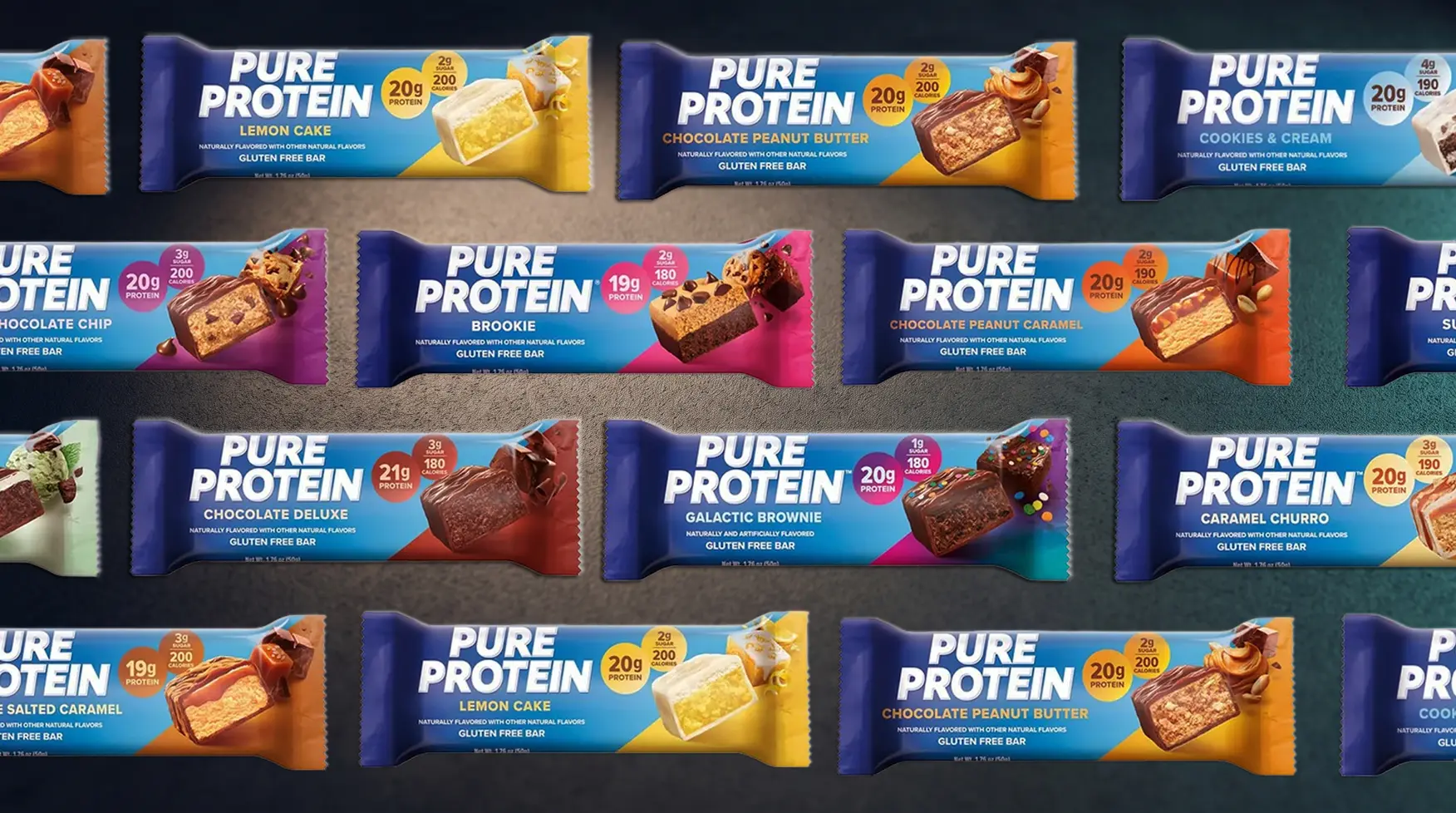
Pure Protein Chocolate Mint Cookie earns its spot with 38 g of protein per 100 g, just 9 g of fat, and a strong XRay Score of 80.0 at rank #17 overall. It's gluten-free and sits at $5.52 per 100 g — mid-range pricing for the shortlist.
What about flavour?
One thing you'll notice about this shortlist: there are no vanilla bars, no fruity options, no exotic flavors. The cutting-optimised bars cluster around chocolate, brownie, caramel, and cookie dough. That's not a coincidence — as we explored in our Flavor Tax article, certain flavor families tend to carry lower macro penalties. Chocolate and brownie formulations rely on cocoa and flavoring compounds that don't significantly inflate fat or sugar, while fruit-flavored bars often need real fruit pieces or fruit concentrate that add carbs.
If you're looking for flavor variety during a cut, the nostalgic flavors space has options — Quest S'Mores is the #1 bar overall at 300 kcal per 100 g — but the mathematically optimal cutting bars happen to be chocolate-forward.
The bottom line
Only seven bars in a catalogue of over 200 rank in the top 20 for both protein efficiency and leanness. Quest bars deliver the lowest calories and the most fiber — making them the satiety-optimised choice. Built Puff bars deliver the highest protein concentration — making them the pure-efficiency choice. MyProtein and Pure Protein split the difference.
For a cut, any of these seven bars is a defensible choice. The wrong choice is a bar that doesn't appear on this list — and most bars don't.