MacroXray may earn a commission on some links in this article at no extra cost to you. Full disclosure.
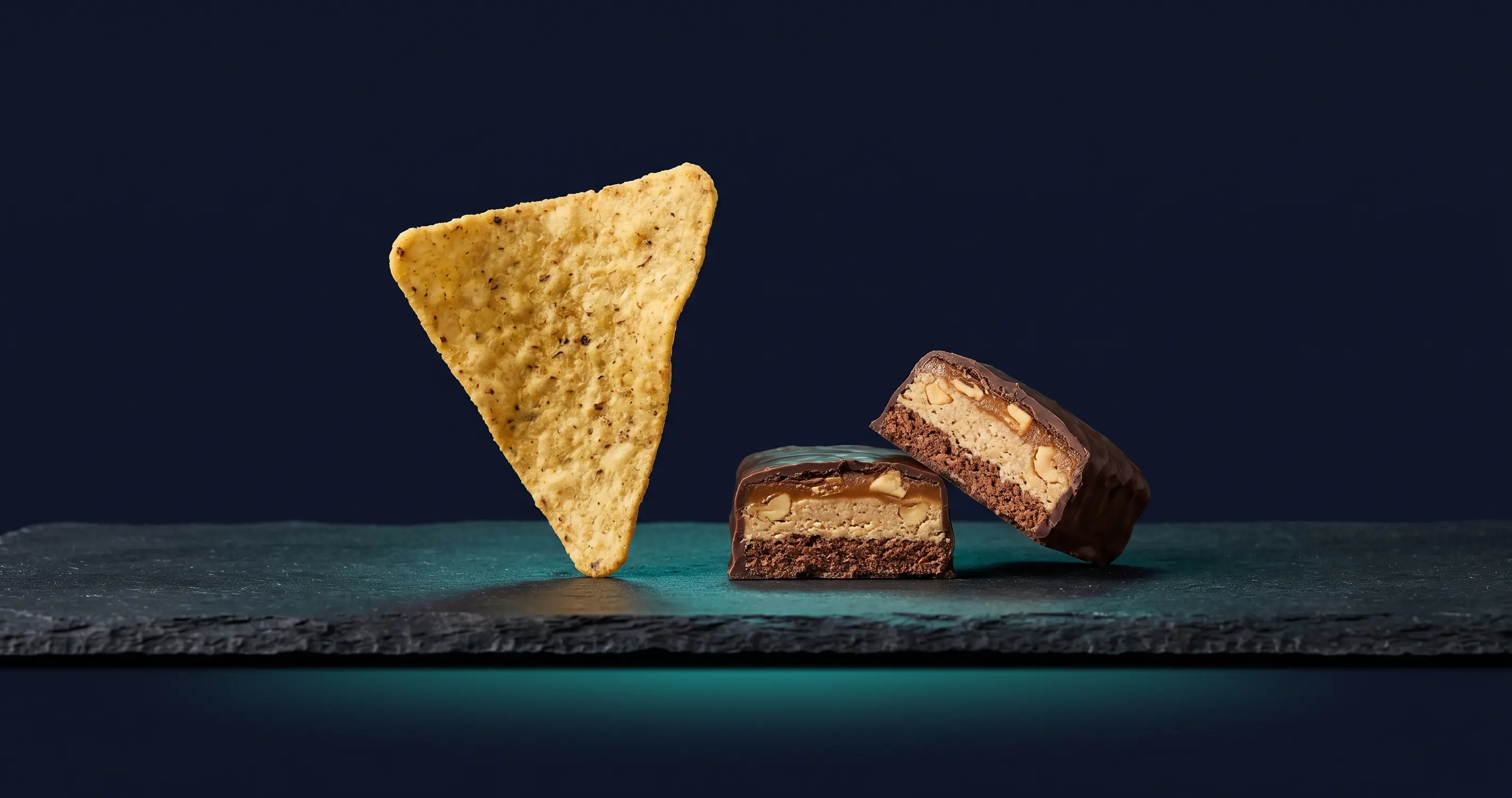
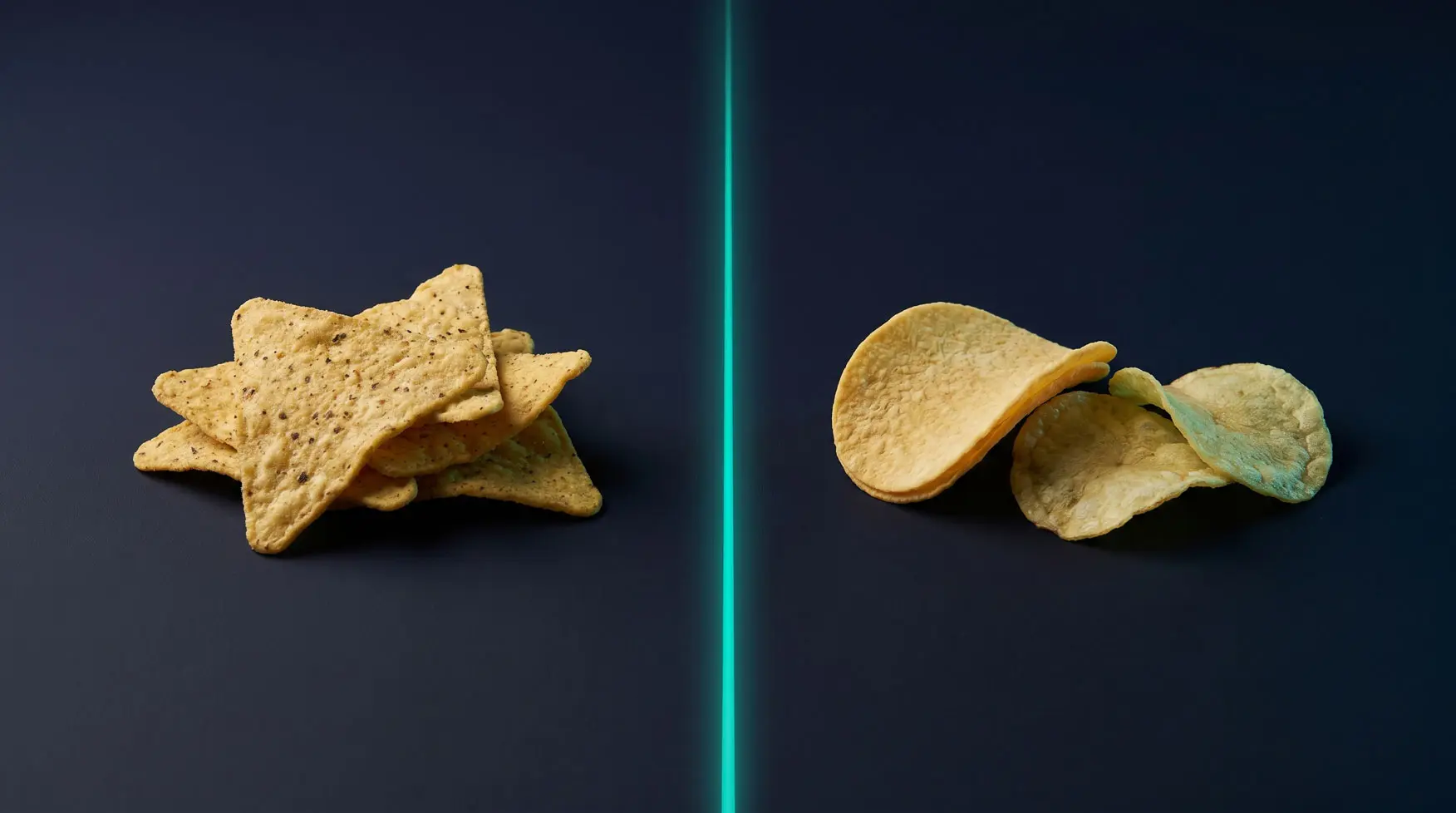
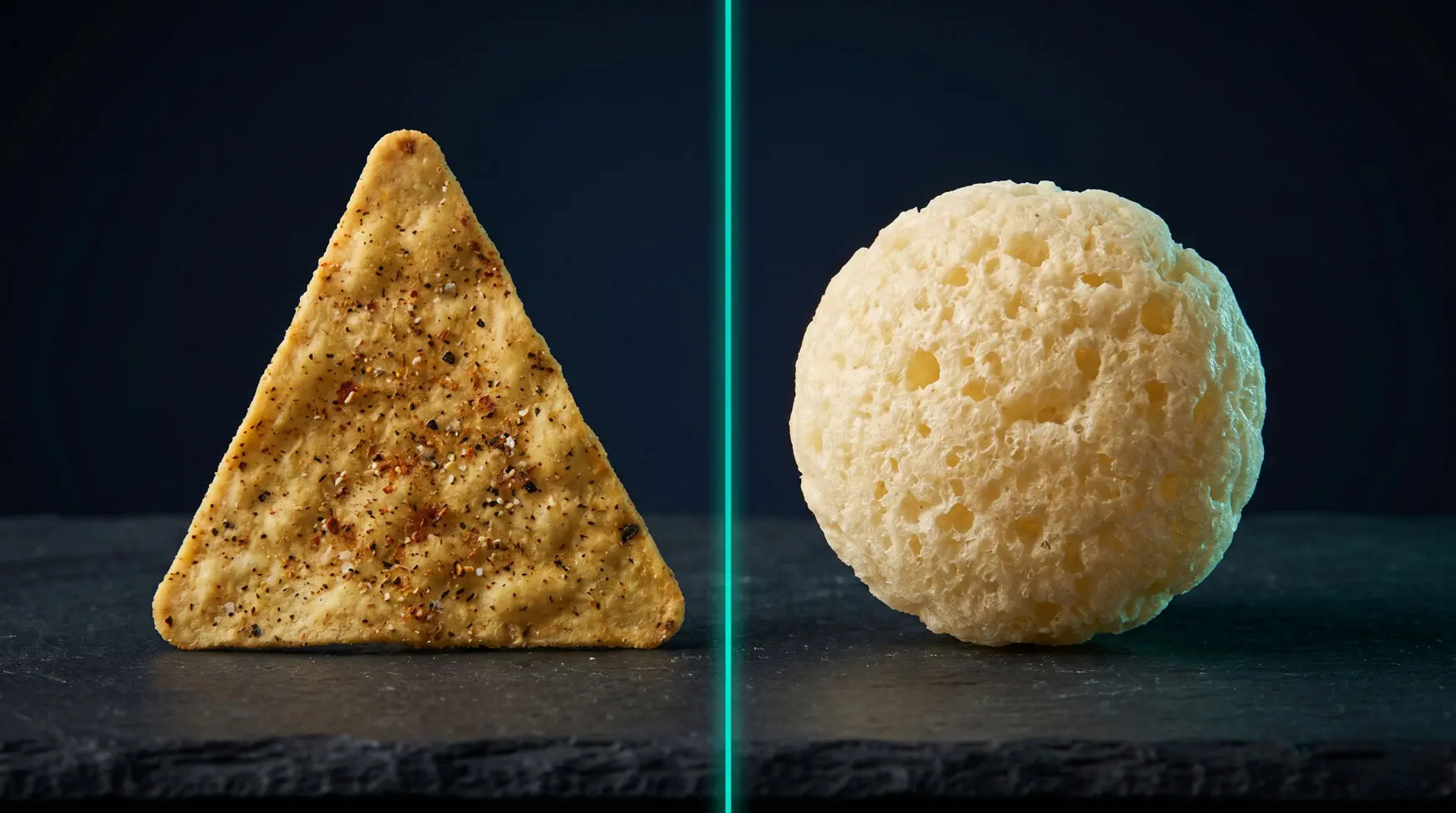
If you've read our piece on why protein crisps beat most bars, you already know that crunchy protein snacks punch above their weight. But "protein crisps" isn't one category. Quest Nutrition makes flat, tortilla-style chips that snap like a Dorito. Twin Peaks makes airy, cheese-puff-style bites that melt on your tongue. Same shelf, completely different experience.
So which one actually delivers better nutrition for the crunch? We pulled the numbers from our catalogue and put the two head-to-head.
The matchup
We're comparing Quest's best-scoring chip — Chili Lime, ranked #1 among all protein crisps in our catalogue — against Twin Peaks' best puff, Mesquite BBQ, which leads the puffs lineup and ranks among the top protein snacks overall.
| Metric | 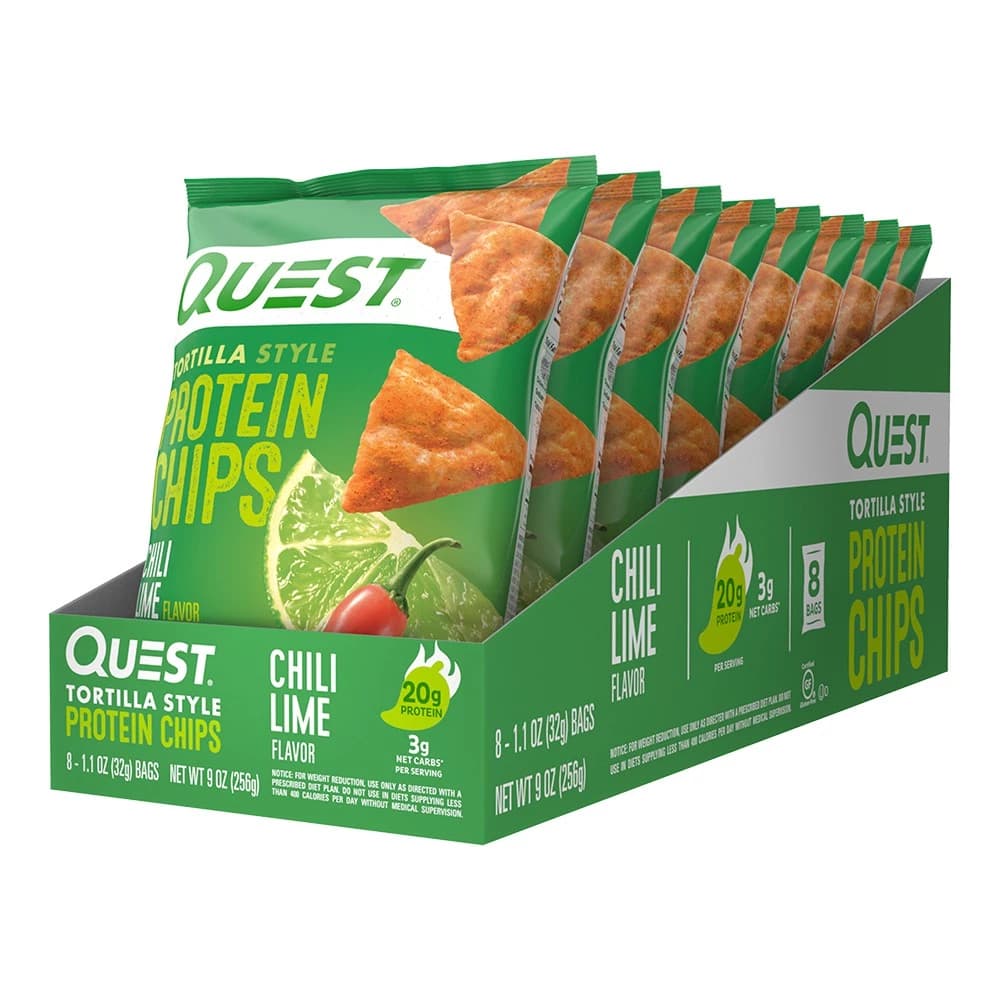 Side A Side A | 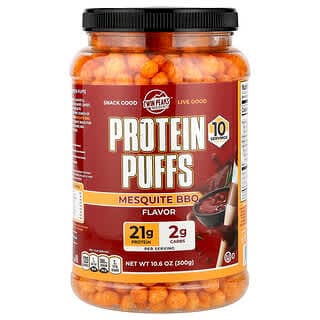 Side B Side B |
|---|---|---|
| Protein / 100 kcal | 14.3 g | 17.5 g |
| Protein / 100 g | 62.5 g | 70.0 g |
| Calories / 100 g | 437.5 kcal | 400.0 kcal |
| Fat / 100 g | 14.1 g | 10.0 g |
| Net carbs / 100 g | 9.4 g | 6.7 g |
| Fiber / 100 g | 3.1 g | 0.0 g |
| Sugar / 100 g | 0.0 g | 6.7 g |
The first surprise: Twin Peaks actually packs more protein per 100 g (70 g vs 62.5 g) and more protein per 100 kcal (17.5 g vs 14.3 g). On raw protein efficiency, the puff wins. It also comes in leaner at 400 kcal per 100 g compared to Quest's 437.5 kcal.
So why does Quest score higher on the XRay? Because the score isn't just protein efficiency — it balances five dimensions. Quest picks up points on fiber (3.1 g per 100 g vs zero for Twin Peaks) and on the low-carb dimension where its 12.5 g of carbs per 100 g edges out Twin Peaks' 6.7 g carbs. The composite picture favors Quest, but the gap is narrower than the XRay scores alone suggest.
Where each one wins
The trade-off comes down to what you're optimising for.
Twin Peaks Puffs win on pure protein delivery. At 70 g of protein per 100 g, these are among the most protein-dense snacks in our entire catalogue — across any format. If your only goal is grams of protein per calorie spent, the puff is the better vehicle. The texture is lighter too: airy, cheese-puff-style bites that dissolve quickly. Some people find this more satisfying as a between-meals snack because it feels less like "eating a meal" and more like raiding a chip bowl.
Highest protein density among crunchy snacks in our catalogue.
Quest Chips win on nutritional balance. The fiber content, the slightly broader macro profile, and the lower carb load give Quest a more complete nutritional picture. The tortilla-style texture is also denser and more satisfying per chip — you might eat fewer pieces before feeling done. If you want a crunchy snack that covers more bases beyond just protein, Quest is the safer pick.
Top-ranked protein crisp overall — balanced across all five dimensions.
Price reality
Both land in the same ballpark: Quest sits at around $8.09 per 100 g, Twin Peaks at around $9.00 per 100 g. Neither is cheap — protein crisps are a premium format compared to powder or bars. But per gram of protein, Twin Peaks' higher density partially closes the price gap. You're paying roughly the same per gram of actual protein delivered.
The flavor dimension
Quest has the broader lineup — Chili Lime, Loaded Taco, Hot & Spicy, BBQ, Sour Cream & Onion, and more. If you get bored of one flavor, there's somewhere to go. We covered some of Quest's wilder flavors in our wildest protein snack flavors ranking.
Twin Peaks has four flavors — Mesquite BBQ, Jalapeño Cheddar, Nacho Cheese, and Sour Cream & Onion. Smaller rotation, but the cheese-forward flavors pair naturally with the puff texture. Jalapeño Cheddar in particular leans into the "Cheeto but with 70 g protein" positioning.
Both are gluten-free. Neither is vegan — both use milk-derived protein.
The verdict
There isn't a wrong answer here, but there is a right answer for you depending on what you care about.
If you haven't tried both formats yet, grab a single bag of each before committing to a box. The texture difference is bigger than any spreadsheet can capture — and that's ultimately what decides whether a snack stays in your rotation.
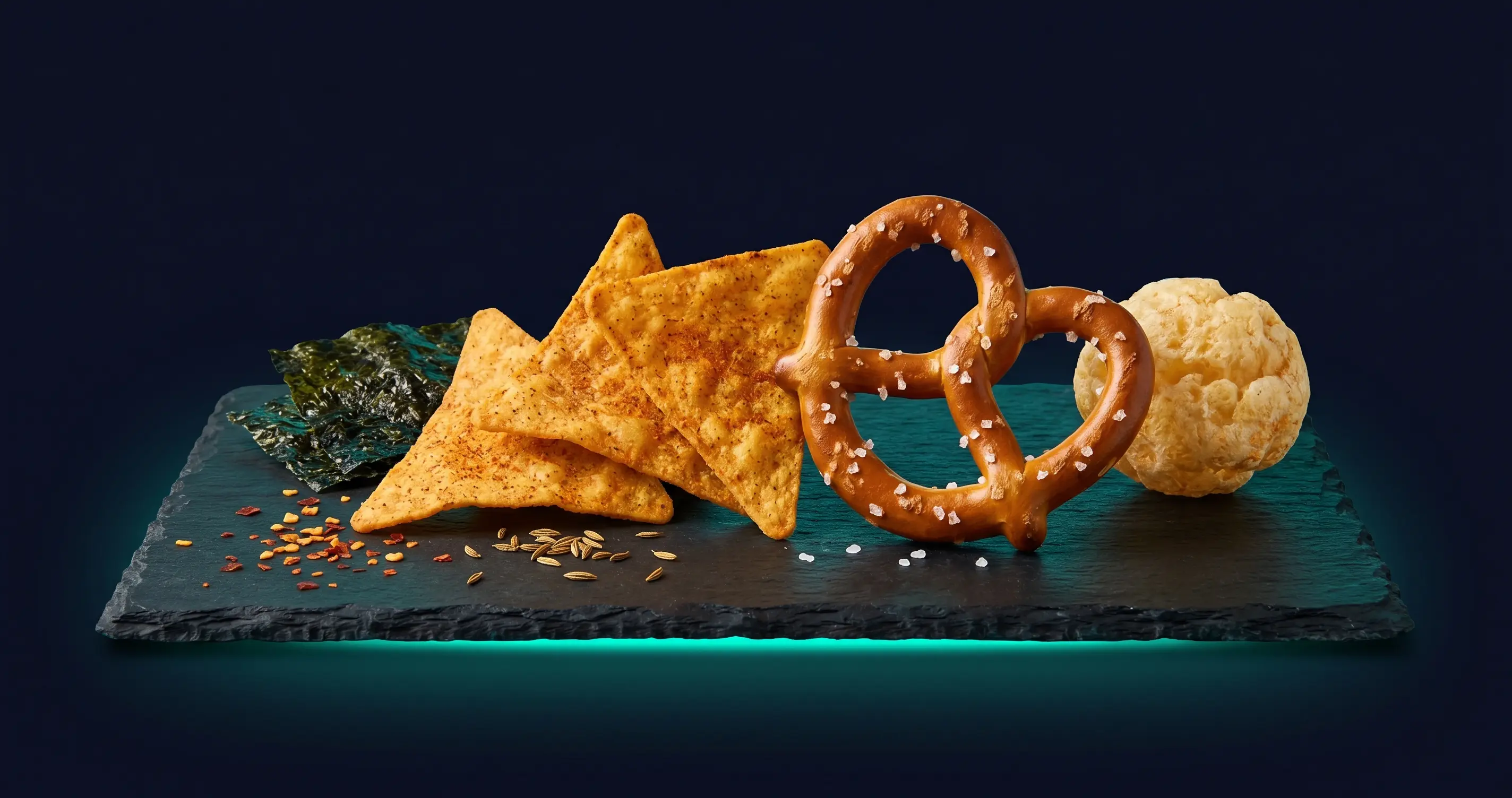
One more thing worth noting: both of these are gluten-free, which isn't always the case with protein snacks. If you're exploring the wider world of protein snack formats — pretzels, granola clusters, pastries — check our Beyond Bars piece for formats that score surprisingly well against traditional bars.