Everything you read about protein bars optimises for the same thing: maximum protein per calorie. That is the right metric if you're in a deficit. But if you're bulking — eating above maintenance to support muscle growth — the calculation is different. You're not trying to minimise calories. You're trying to maximise protein while also taking in enough total calories to drive growth.
That changes which bars you should reach for. Here's how to think about it, and which bars from our database of over 400 come out on top.
MacroXray may earn a commission on some links in this article at no extra cost to you. Full disclosure.
What changes when you're bulking
In a deficit, protein per 100 kcal is the only metric that matters — you're spending calories to buy protein, so every calorie counts. In a surplus, the constraint flips. Calories aren't scarce, so the question becomes: how much protein can I pack into a bar that also contributes meaningfully to my daily calorie target?
The ideal bulking bar has three things: high protein concentration (35–45 g per 100 g), enough calories to be useful without being hollow calories, and a price point that lets you use them regularly without the cost becoming absurd.
The top bars for bulking
The bars that perform best for bulking are those that score highly on overall protein concentration AND carry enough calories to contribute meaningfully to a surplus — rather than the ultra-lean, sub-250 kcal options that make more sense for a cut.
| # | Product | XRay | P/100 kcal | kcal / 100 g | Buy | |
|---|---|---|---|---|---|---|
1 | 87 | 12.1g | 350.0 | Buy | ||
2 | 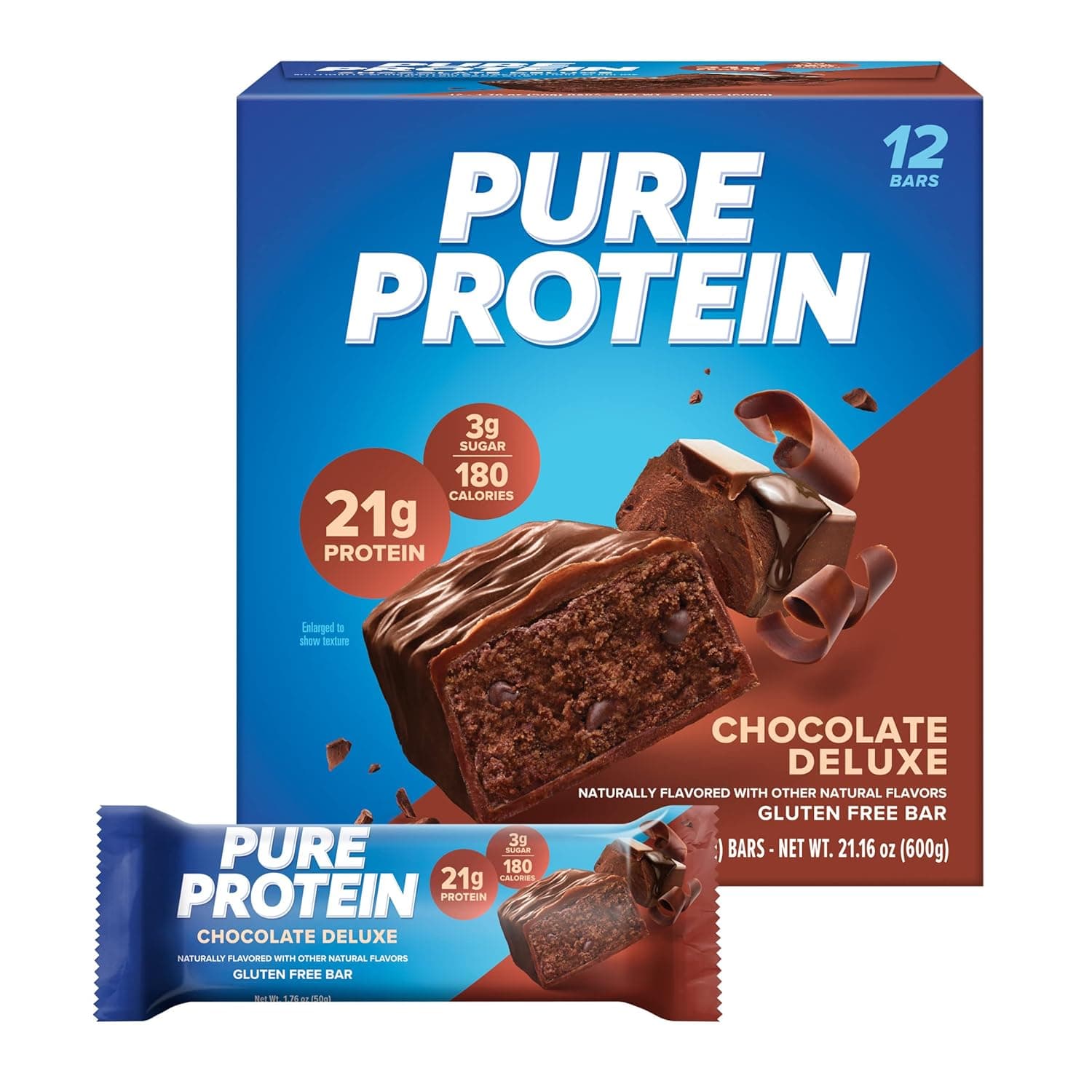 Pure Protein Pure Protein Bars (Chocolate Deluxe) | 82 | 11.7g | 360.0 | Buy | |
3 | 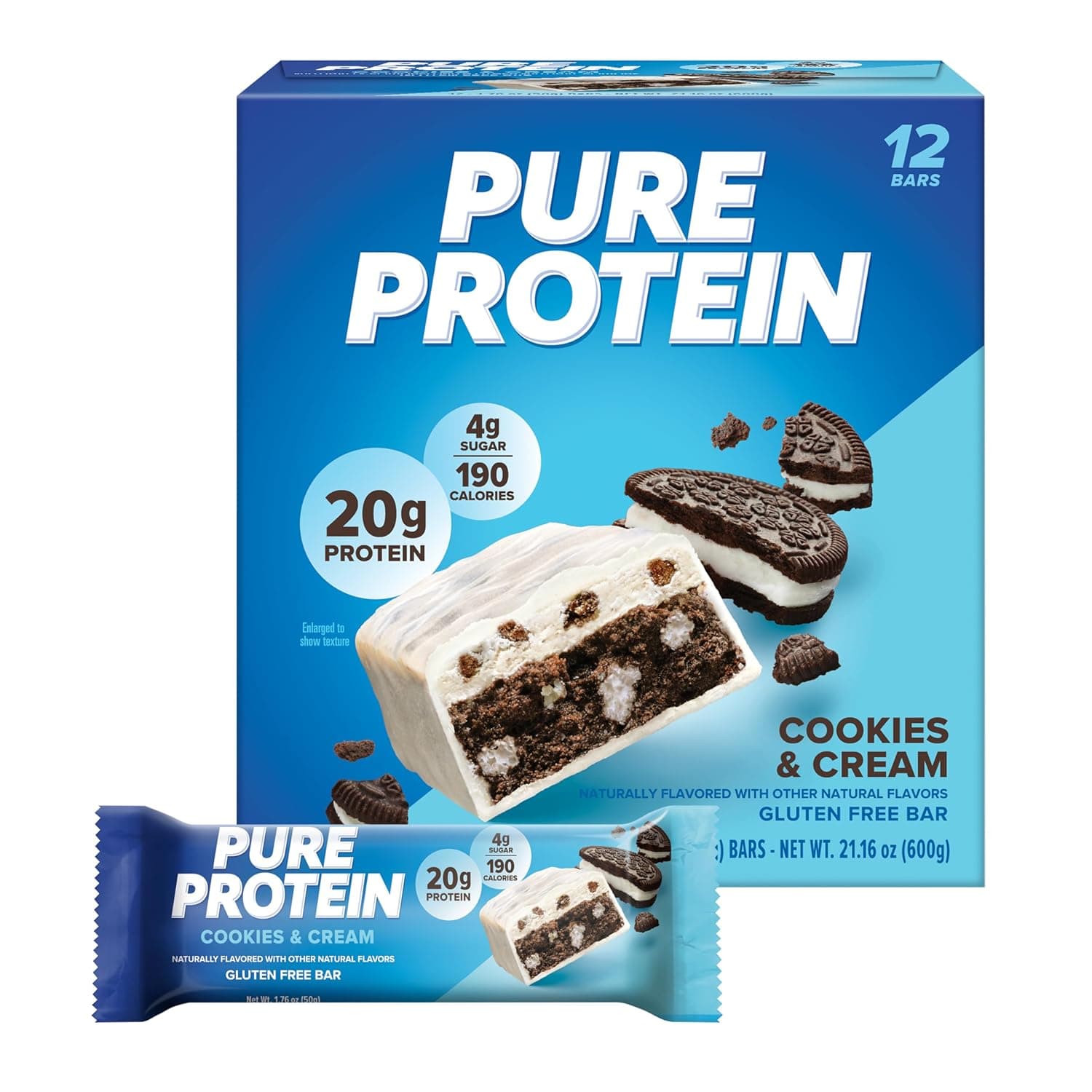 Pure Protein Pure Protein Bars (Cookies and Cream) | 81 | 10.5g | 380.0 | Buy | |
4 | 80 | 12.1g | 350.0 | Buy | ||
5 | 80 | 12.1g | 350.0 | Buy | ||
6 | 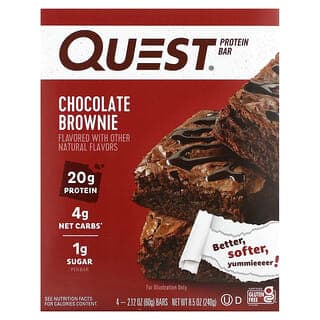 Quest Nutrition Protein Bar, Chocolate Brownie | 89 | 11.8g | 283.3 | Buy | |
7 | 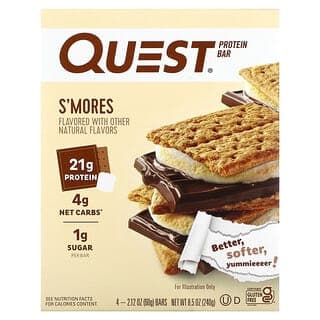 Quest Nutrition Protein Bar, S'Mores | 89 | 11.7g | 300.0 | Buy | |
8 | 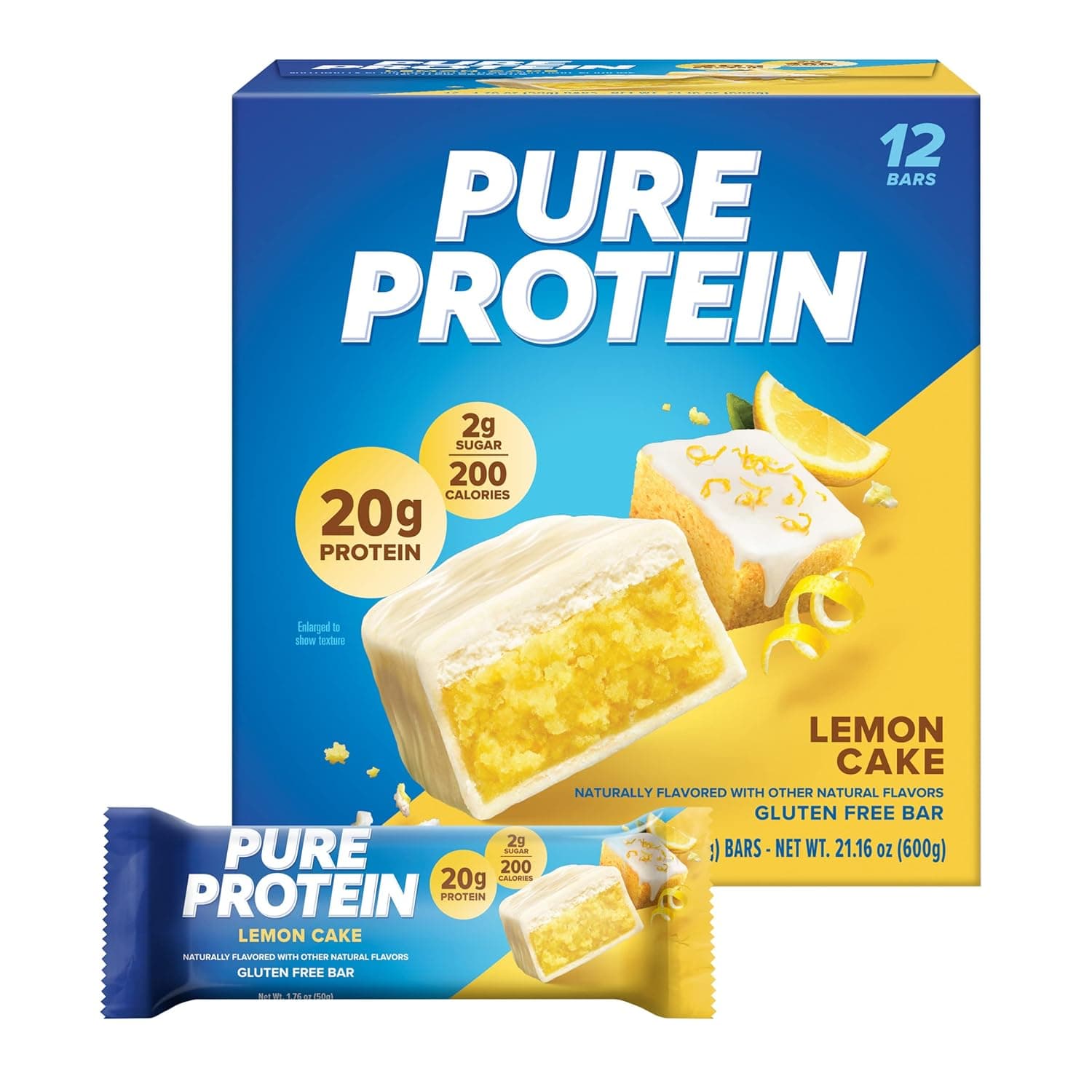 Pure Protein Pure Protein Bars (Lemon Cake) | 80 | 10.0g | 400.0 | Buy |
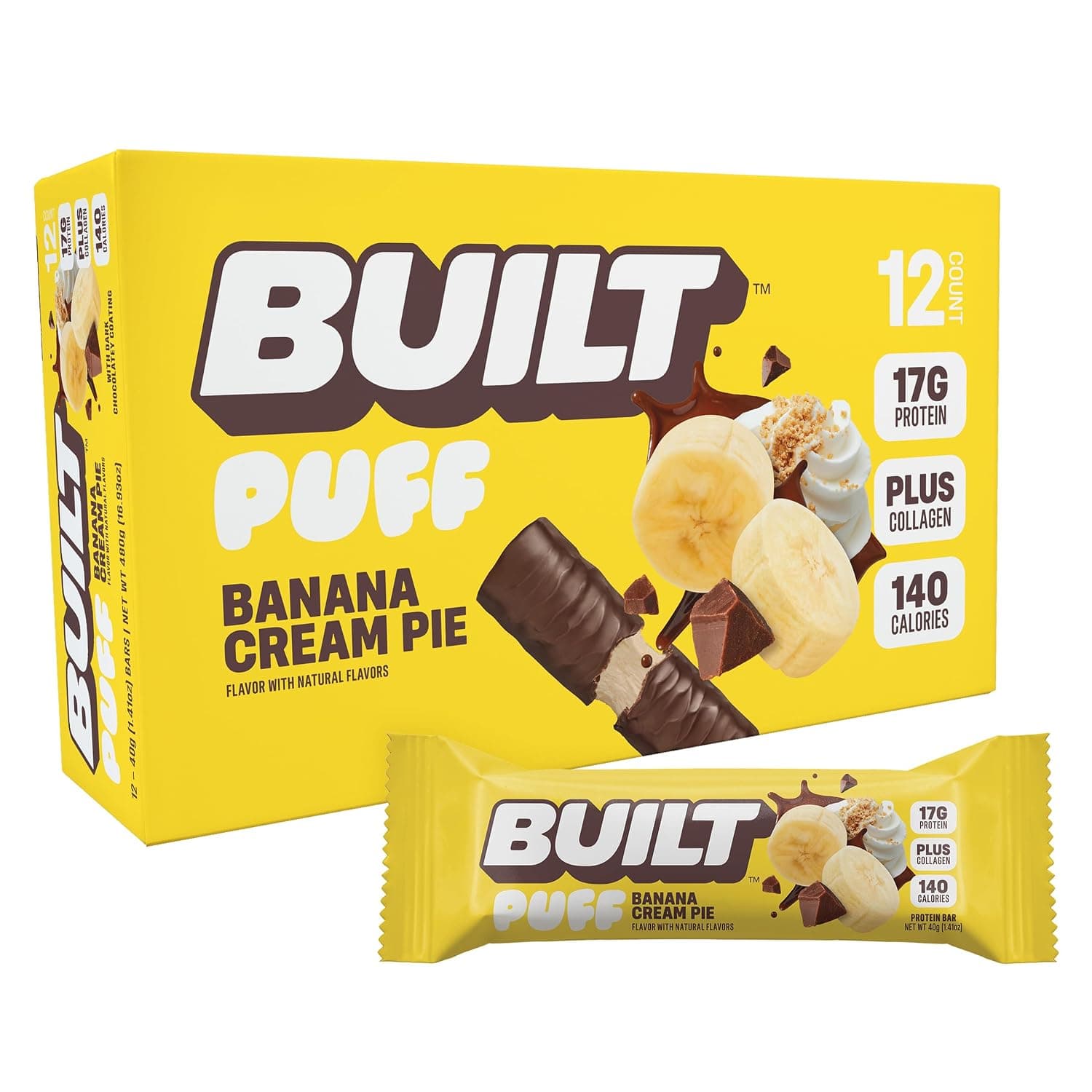
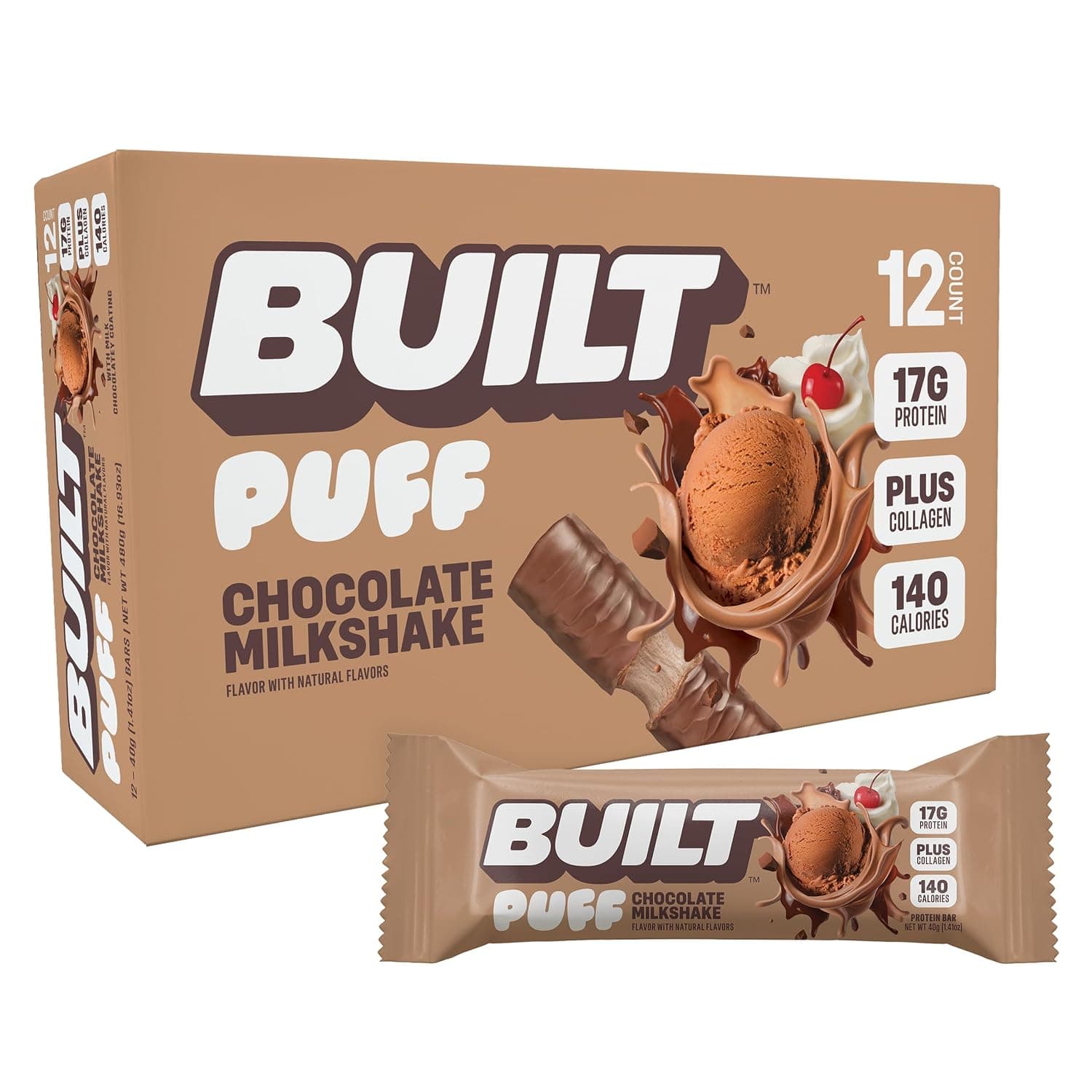
A few things worth noting. David bars are the highest-scoring bars overall, but at 241 kcal per 100 g they're almost too lean for a bulk — you'd need to eat 3–4 to make a dent in your surplus. They're excellent for lean gains where you're barely above maintenance, but less useful when you need to eat volume. Built Puff and Pure Protein sit in a more useful zone for bulking: 350–400 kcal per 100 g with 40–42 g of protein per 100 g.
Built Puff: the calorie-efficient bulking bar
Built Puff bars are the most underrated option in the bulking context. Their airy, puffed texture means a 45 g bar delivers around 160 kcal and 19 g of protein — useful as an add-on snack without being overwhelming. But the nutritional density is what stands out: 42.5 g of protein per 100 g at 350 kcal per 100 g means you're getting real protein concentration alongside a calorie contribution that actually helps a surplus.
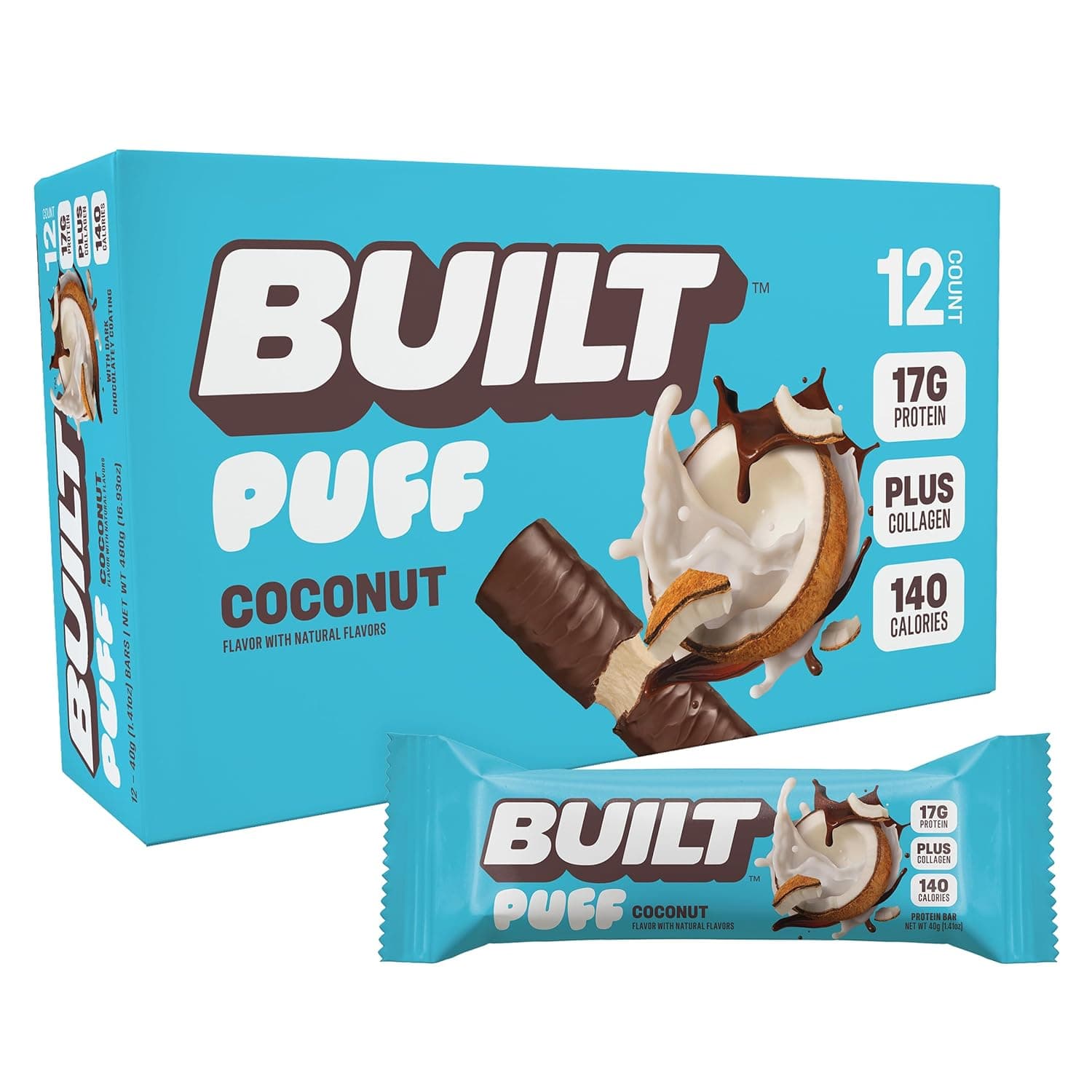
42.5 g protein per 100 g at 350 kcal — the best protein-to-calorie density among higher-calorie bars.
The texture is genuinely different from standard bars — lighter, crunchier, closer to a Rice Krispie treat than a traditional protein bar. That works in their favor for bulking because it's easier to eat alongside a meal rather than feeling like a standalone food item. Built runs multiple flavors: Coconut, Banana Cream Pie, Chocolate Milkshake, Mint Chip, Salted Caramel, and Churro. The macro profiles are near-identical across all of them.
Pure Protein: the value play for volume eating
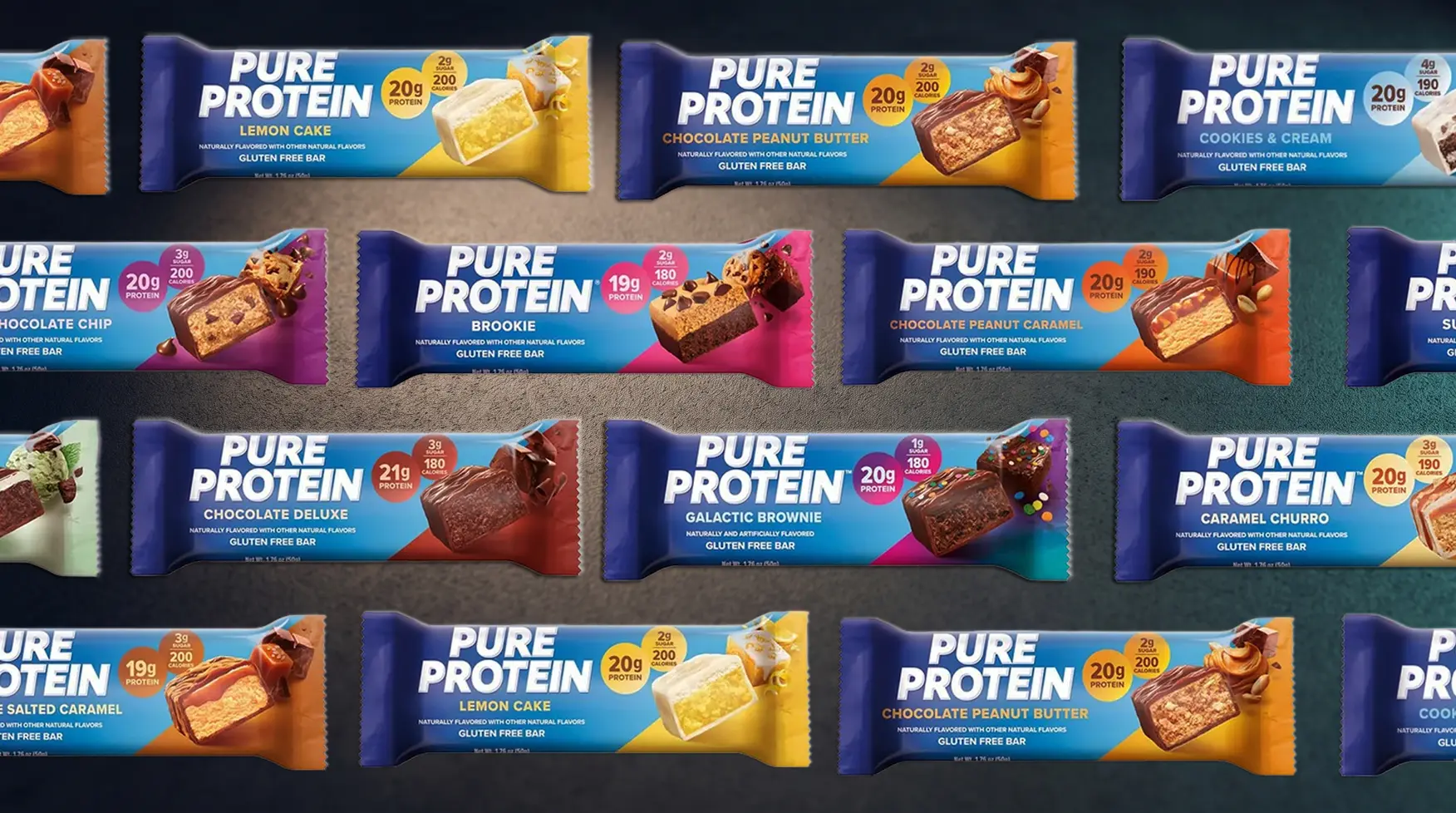
When you're eating in a surplus consistently, cost per gram of protein matters — not because individual bars are expensive, but because you're eating more of them. Pure Protein Chocolate Deluxe ranks #28 overall with an XRay Score of 81.7, delivering 42 g of protein per 100 g at 360 kcal per 100 g. The price point is consistently among the lowest in the top tier — roughly $1.50–1.80 per bar at most retailers.
42 g protein per 100 g — and one of the most affordable options in the top 30.
We compared Pure Protein to Barebells in our best bars for weight loss article and it came out ahead on efficiency. That same advantage applies here: Pure Protein gives you more protein per gram of bar and more protein per dollar than Barebells or most mid-range European brands.
The range is wide enough — Chocolate Deluxe, Cookies and Cream, Lemon Cake, Birthday Cake, Chocolate Mint Cookie — that variety isn't a problem.
Quest bars: the high-fiber bulking option
Quest bars aren't the most calorie-dense option, but they bring something the other bars don't: 20+ g of fiber per 100 g. For anyone bulking who's also dealing with the digestive side effects of eating more food, that fiber content is genuinely useful.
| Metric | Side A | Side B |
|---|---|---|
| Protein / 100 kcal | 11.8 g | 12.1 g |
| Protein / 100 g | 33.3 g | 42.5 g |
| Calories / 100 g | 283.3 kcal | 350.0 kcal |
| Fat / 100 g | 10.0 g | — |
| Net carbs / 100 g | 13.3 g | — |
| Fiber / 100 g | 25.0 g | — |
| Sugar / 100 g | 1.7 g | 15.0 g |
Quest Chocolate Brownie lands at rank #9 overall with 33.33 g protein per 100 g and 20 g of fiber per 100 g. Built Puff Coconut is rank #14 with 42.5 g protein and essentially no fiber data. If your diet is high-protein but low-fiber (common when bulking on chicken and rice), Quest brings something Built doesn't.
If you want to see which Quest flavors rank highest nutritionally, we covered every flavor in our Quest bar ranking.
What about high-calorie bars specifically?
Some products are explicitly marketed for mass gain — higher-fat, higher-sugar formulations designed to pack in calories. These don't appear in our top 30 because the XRay Score penalises low protein efficiency and high sugar. They're not optimised for muscle building; they're optimised for calorie intake. For a lean bulk, those aren't the same goal.
The bars above are the ones that hit both targets: enough calories to contribute to a surplus, enough protein to drive muscle protein synthesis, and a macro profile that doesn't force you to eat around 20 g of sugar per bar.
Bottom line
Bulking changes the criteria but doesn't flip them entirely. You still want high protein concentration — at least 33–42 g per 100 g. The difference from cutting is that you can afford bars that also carry 350–400 kcal per 100 g, which makes them more useful as a calorie contribution rather than just a protein hit. Built Puff and Pure Protein hit this zone most effectively. Quest is the choice if fiber matters to you. David bars work well for the cautious end of a lean bulk where protein efficiency is still a priority.