Protein powder used to mean one thing: a thick, milkshake-style scoop you mixed with water or milk, shook, and drank. In the last few years a second format has taken over a sizeable chunk of the shake market — clear whey, a lighter, juice-like protein drink that trades creaminess for a thin, refreshing texture. Both categories hit the same protein targets. They feel completely different to drink, and they solve different problems.
This is a quick, honest comparison so you can pick the right one — or figure out when to keep both in your rotation.
What each one actually is
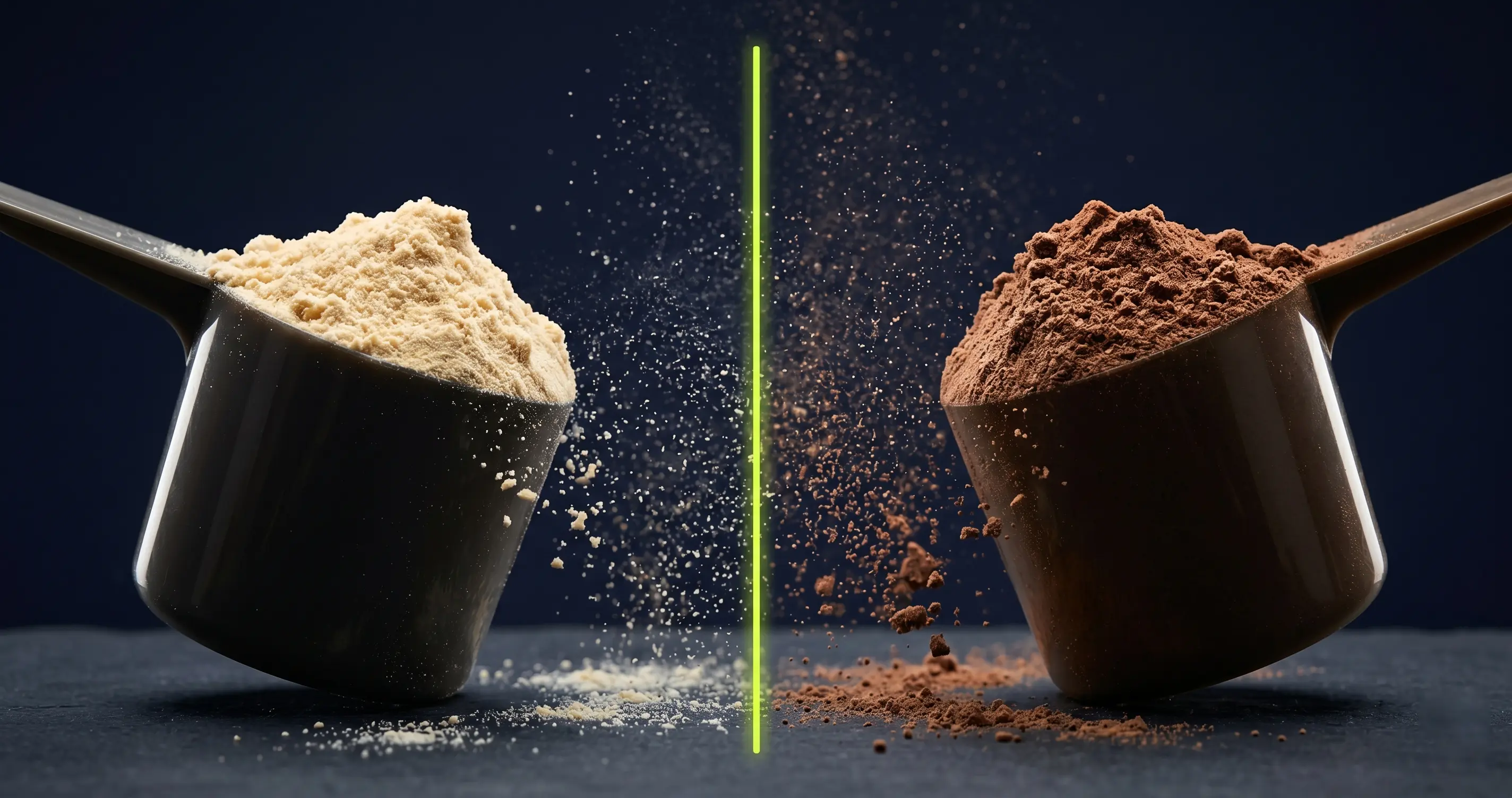
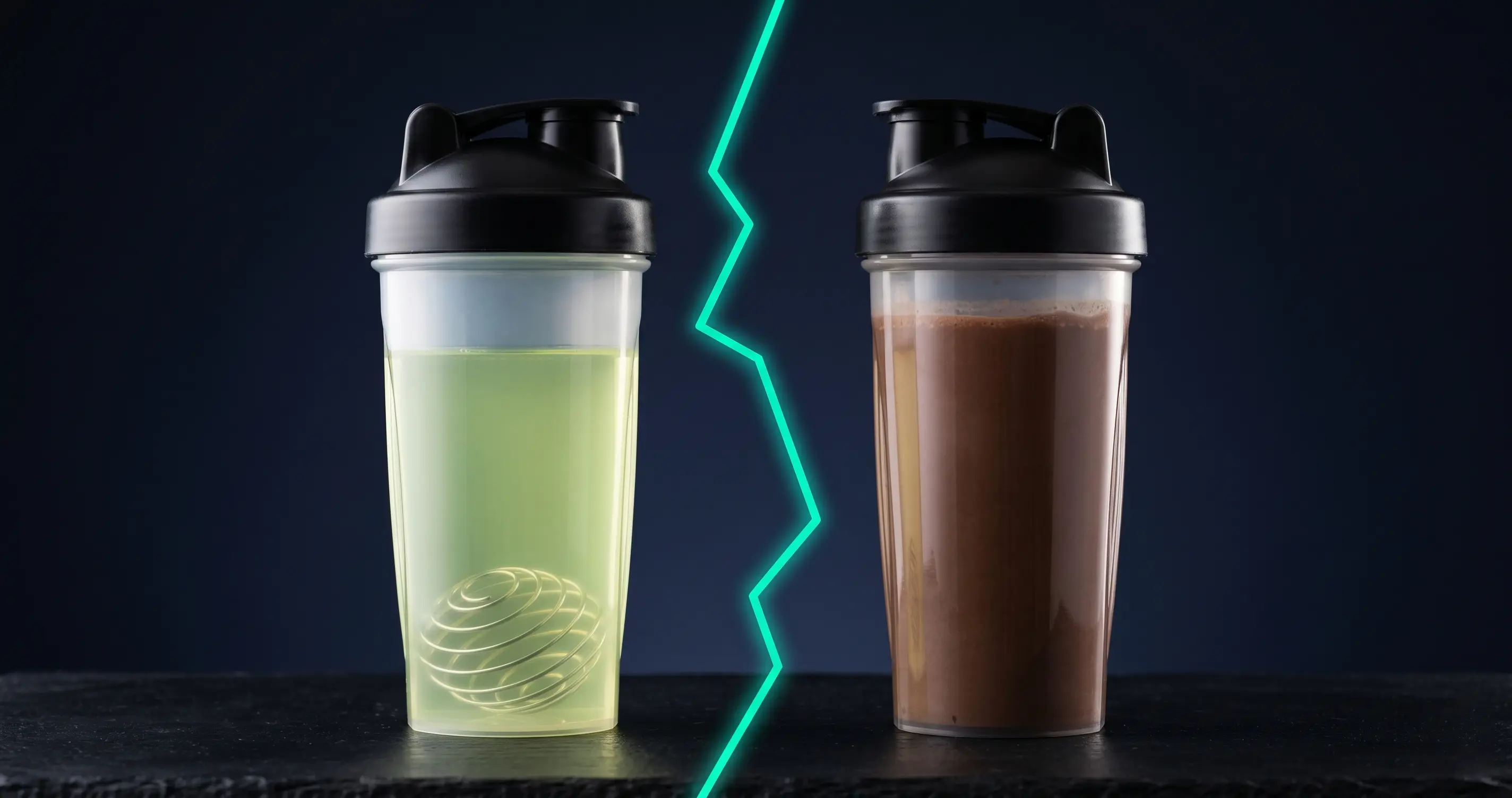
A milky shake is the traditional format. The protein source is usually a whey concentrate or isolate blend, paired with emulsifiers, flavourings, and thickeners so it mixes into a creamy, milkshake-like consistency. In water it's still drinkable; in milk it becomes dessert-adjacent. Most serving sizes land in the 20–25 g protein range with 110–160 kcal per serving, depending on how much fat and carbohydrate the formulation carries.
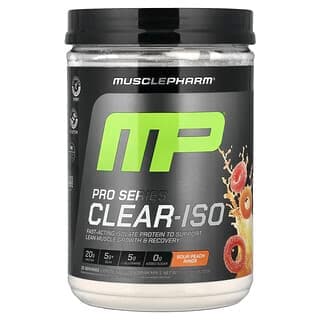
Clear whey is a newer format built around whey protein isolate — usually hydrolysed — which, at low concentrations in water, doesn't foam or turn milky. The result is a transparent, lightly-flavoured drink that tastes closer to a fruit cordial or iced tea than a shake. Because the base is essentially flavoured water plus protein, clear whey tends to land at around 20 g protein and 80–100 kcal per serving, with near-zero fat and very low carbohydrate.
When clear whey wins
Clear whey is the better pick when texture is the blocker. If you've ever felt full and heavy after a thick post-workout shake, or you just don't enjoy the milkshake format, clear whey is a revelation — it goes down like squash, so you can sip it through a session rather than forcing it down after.
It also wins for people on tight calorie budgets. Cutting hard, macro-tracking, or just trying to keep the calorie cost of hitting your protein target low? A clear whey gives you most of the protein with ~30–50 fewer calories per serving than the equivalent milky shake. Over three shakes a day that's a meaningful gap.
The third group where it wins is lactose-sensitive drinkers. Because clear whey is usually built on whey isolate, the lactose load is much lower than a concentrate-based shake. Not zero — check the label if you're coeliac- or IBS-careful — but low enough that most people tolerate it where a traditional shake causes bloating.
When a milky shake wins
Milky shakes win on satiety. The fat + carb + protein combination keeps you fuller for longer, which matters if you're using a shake to replace or pad a meal rather than just top up protein. If you're bulking, or using a shake as a between-meal snack to avoid overeating later, the thicker format is doing real work.
They also win on flavour depth. Chocolate, cookies-and-cream, salted caramel, vanilla — these work best in a milkshake base. Fruit flavours translate beautifully to clear whey; dessert flavours don't. If your goal is "dessert-for-breakfast" rather than "hydrating protein hit," a milky shake is a better vehicle.
Finally, they win on price per gram of protein. Clear wheys use hydrolysed isolate, which is the most expensive whey fraction; milky shakes can use cheaper concentrates or concentrate/isolate blends. Per gram of protein, a standard shake is typically 20–40% cheaper than a clear whey of the same brand. If budget is the binding constraint, this matters.
| Metric | Side A | 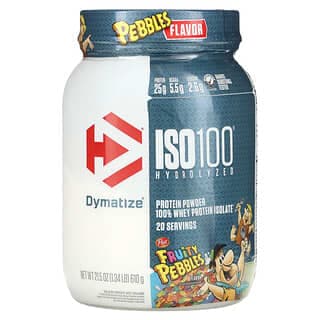 Side B Side B |
|---|---|---|
| Protein / 100 kcal | 22.2 g | 20.8 g |
| Protein / 100 g | 76.9 g | 83.3 g |
| Calories / 100 g | 346.1 kcal | 400.0 kcal |
| Fat / 100 g | 0.0 g | 3.3 g |
| Net carbs / 100 g | 3.9 g | 6.7 g |
| Fiber / 100 g | 0.0 g | 0.0 g |
| Sugar / 100 g | 0.0 g | 3.3 g |
How to decide
A practical rule of thumb:
- Training in the morning or fasted, cutting, lactose-sensitive, or you find shakes heavy? Go clear whey.
- Using a shake to replace a meal, bulking, or flavour-driven? Go milky.
- Both? Keep one of each. Clear whey in the gym bag for post-training; milky shake in the kitchen for a between-meal snack. They're complementary tools, not rivals.
What to look for on the label
Two columns on the nutrition panel decide almost everything:
Protein per 100 kcal — the efficiency number. Clear wheys typically land around 22–25 g per 100 kcal; milky shakes often sit at 14–18 g per 100 kcal. Higher means you spend fewer calories getting to your target.
Protein source — "whey protein isolate" or "hydrolysed whey protein isolate" is the right top-line ingredient for clear whey; "whey protein concentrate" or a concentrate/isolate blend is typical for milky shakes. Beware products marketed as "clear" that hide a concentrate as the primary source — the clarity won't hold up and you're paying an isolate premium for concentrate.
Everything else — flavour, sweetener, colour — is personal preference. The two numbers above decide the actual value.
Next: we'll cover protein-efficient products ranked in the catalogue and when a RTD bottled shake beats a powder you mix yourself.