Plant-based protein has come a long way from gritty pea powder and chalky hemp shakes. The category now spans over 100 products from major brands, with protein concentrations that rival — and sometimes beat — traditional whey. But which plant-based powder actually delivers the best macros for your money?
We ranked all 100 plant-based powders in our catalogue across five dimensions — protein efficiency, value, leanness, low carb, and fiber — and scored each one on our 0–100 XRay Scale. The results challenged a few assumptions.
MacroXray may earn a commission on some links in this article at no extra cost to you. Full disclosure.
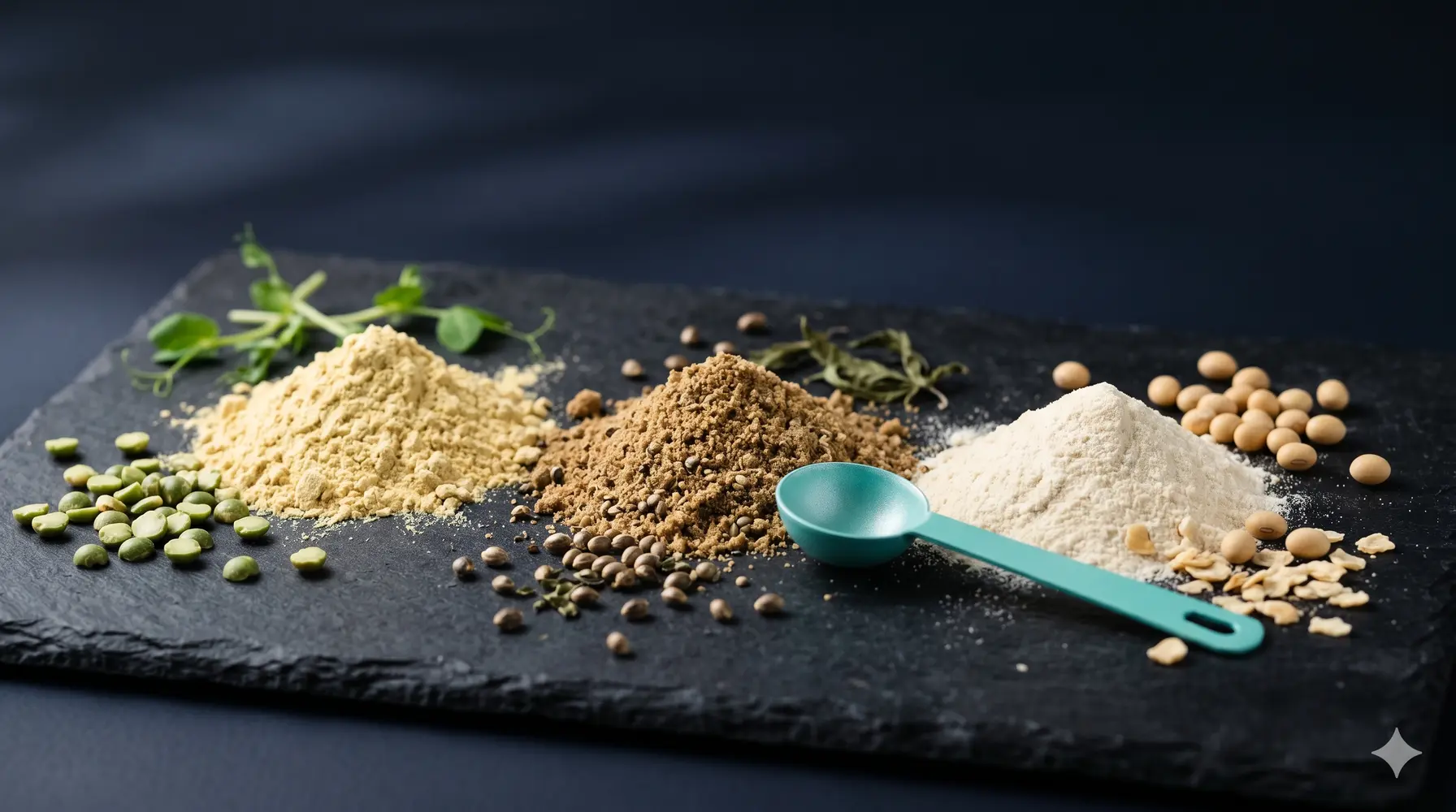
Four sources, four different trade-offs. We scored all of them head-to-head — here's how they stack up.
The soy surprise
If you expected pea or a multi-source blend to lead the vegan rankings, the data tells a different story. The top four plant-based powders by XRay Score are all soy isolates — and they don't just lead the plant category. MyProtein Impact Soy Protein Unflavoured sits at rank #1 of all 347 powders in the catalogue, beating every whey, casein, and egg-white powder on the market.
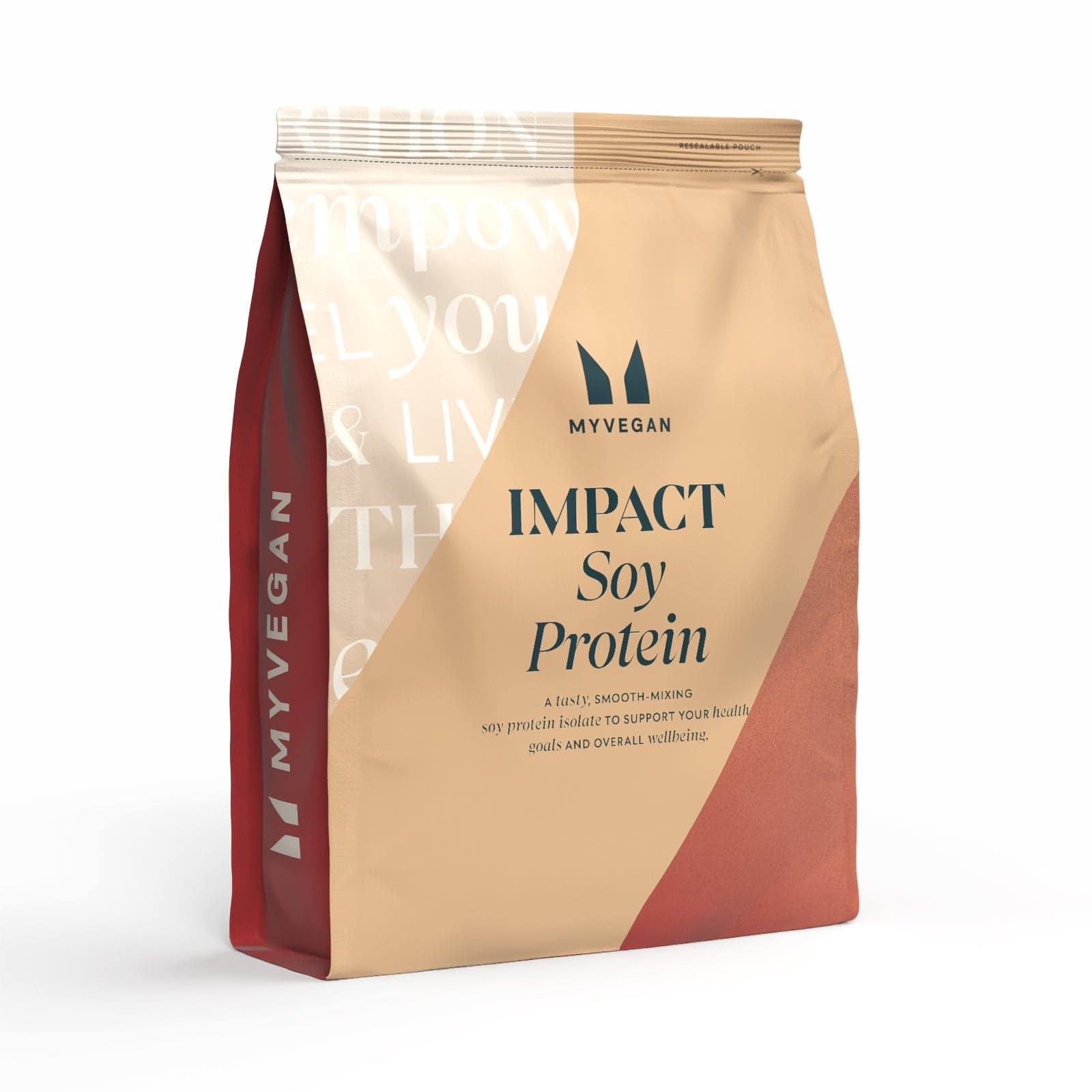
83.33 g protein per 100 g, 0 g fat, 0 g carbs. The leanest macro profile of any plant-based powder — and the #1 powder overall.
Why does soy dominate? The same reason whey isolate does: heavy processing strips out virtually all fat and carbohydrate, leaving near-pure protein. Impact Soy Unflavoured delivers 23.58 g of protein per 100 kcal — a number only a handful of whey isolates can match. At 0 g fat and 0 g carbs, it's as lean as protein gets.
The flavored versions are nearly as impressive. Impact Soy Banoffee scores 97.5 with 76.67 g protein per 100 g, and Impact Soy Iced Latte scores 95.2 — both ranking in the top 5 of all powders. If you've been avoiding soy for taste reasons, these flavored options make it hard to justify the protein-efficiency trade-off of switching to pea or a blend.
Plant blends: the middle ground
Plant blends — typically combining pea protein with brown rice, quinoa, or other sources — are the largest segment in the vegan powder market, with 44 products in our catalogue. They score lower than soy on protein efficiency because blending introduces ingredients that carry more fat and carbs, but the trade-off is a more complete amino acid profile and, often, better mixability.
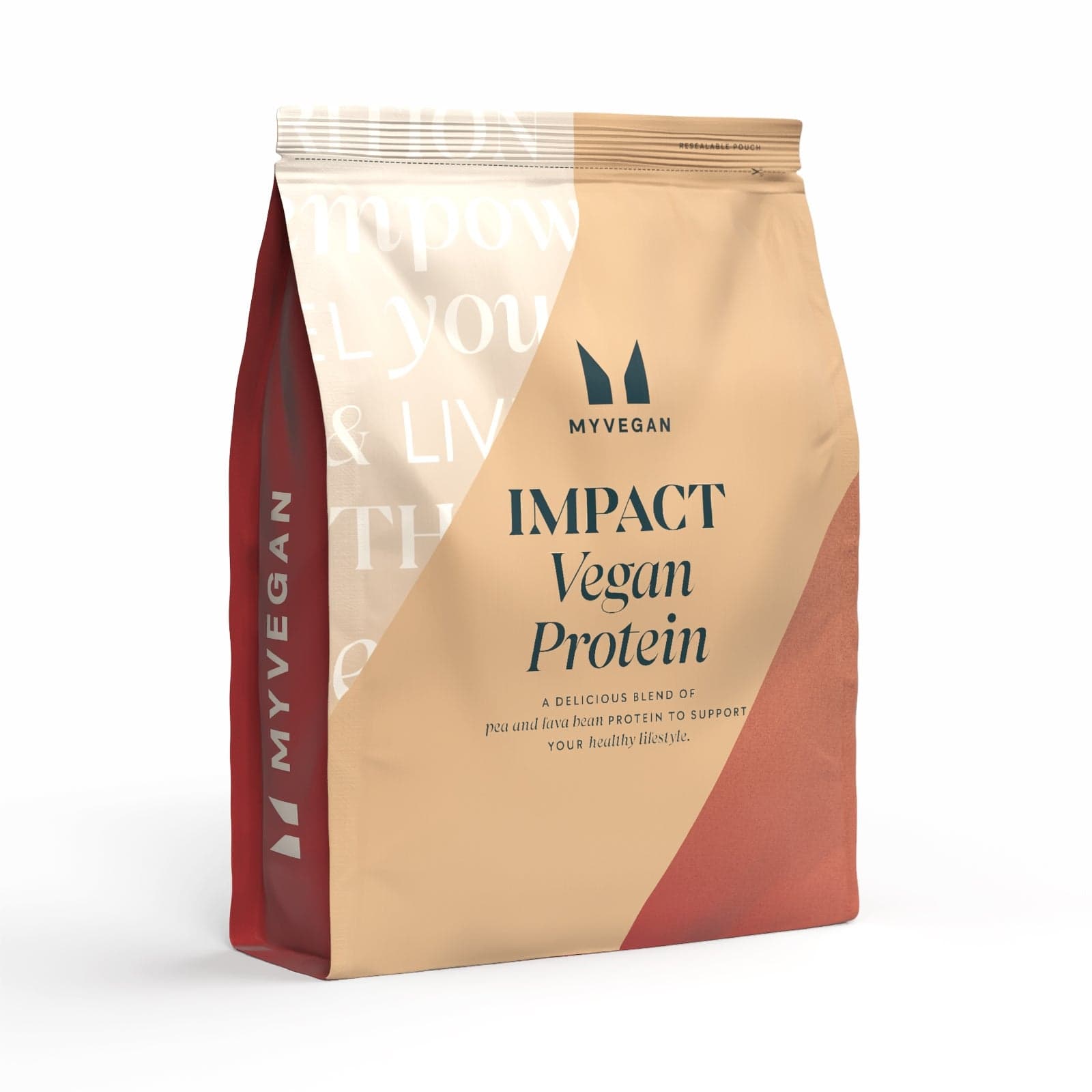
80 g protein per 100 g, rank #3 of 347 powders. The best plant blend in the catalogue — though it trades fiber for protein purity.
MyVegan Impact Vegan Protein Unflavoured leads this segment with an XRay Score of 95.6 and 80 g protein per 100 g. That's genuinely elite, but there's a catch: it achieves that number partly by having 0 g of fiber — unusual for a plant blend. If fiber is something you value in your plant protein (and for many plant-based eaters, it is), you'll need to look further down the list.
Pea protein: the taste trade-off
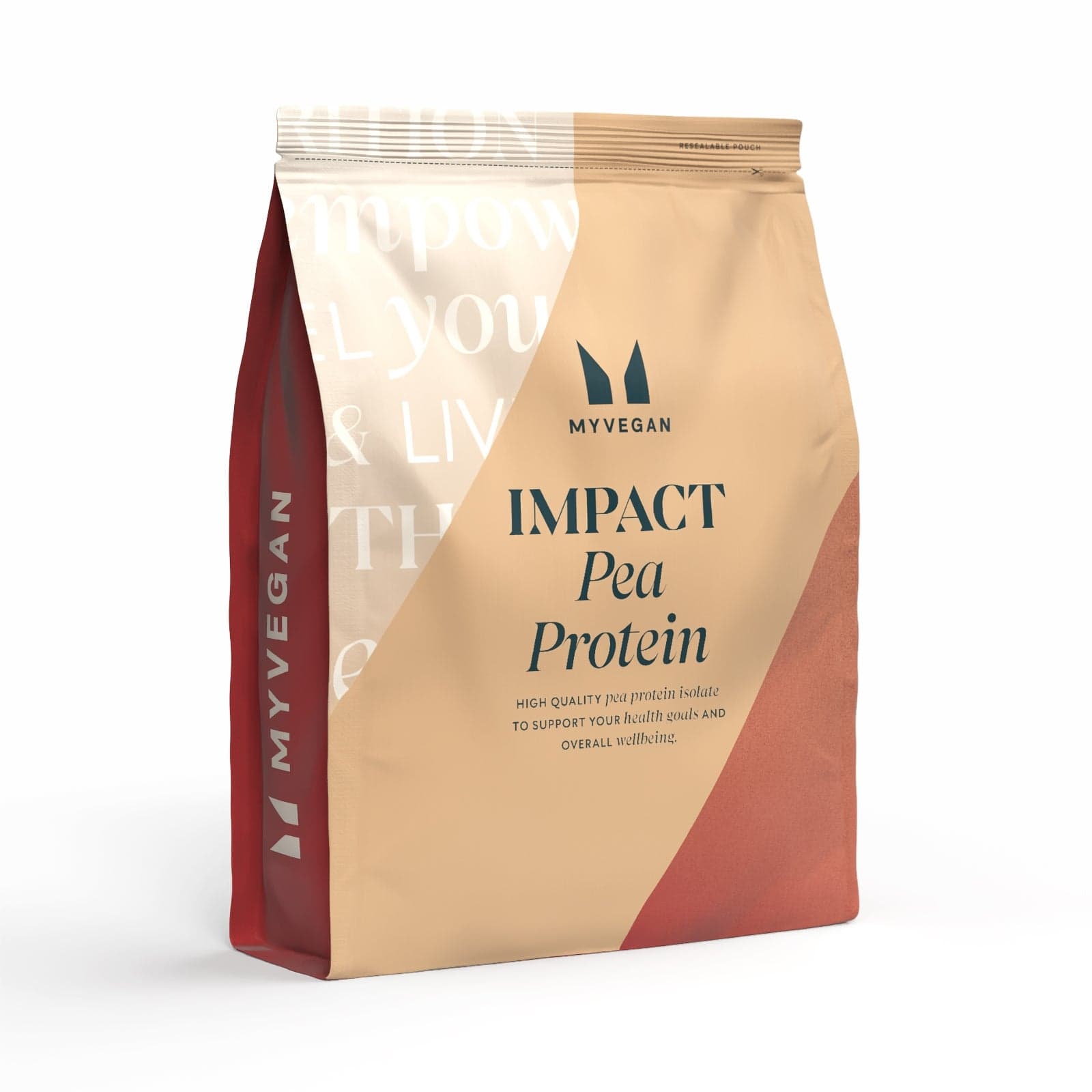
Pea protein isolate is the second most common source in our catalogue (40 products), and it occupies a middle ground between soy's raw efficiency and hemp's nutritional breadth. The best pea protein, MyVegan Impact Pea Protein Unflavoured, scores 67.3 with 76.67 g protein per 100 g — respectable, but that 7 g of fat per 100 g pulls its leanness score down compared to soy.
Where pea protein gets interesting is in flavored formulations. Brands like Ghost and Sunwarrior lean heavily into taste innovation with their pea-based and plant-blend powders, producing some of the most creative flavors in the entire plant category.
| Metric | 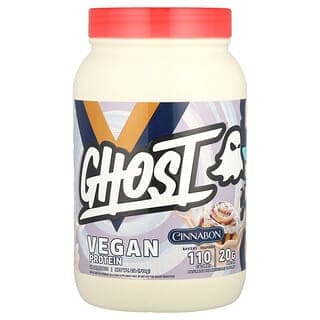 Side A Side A | 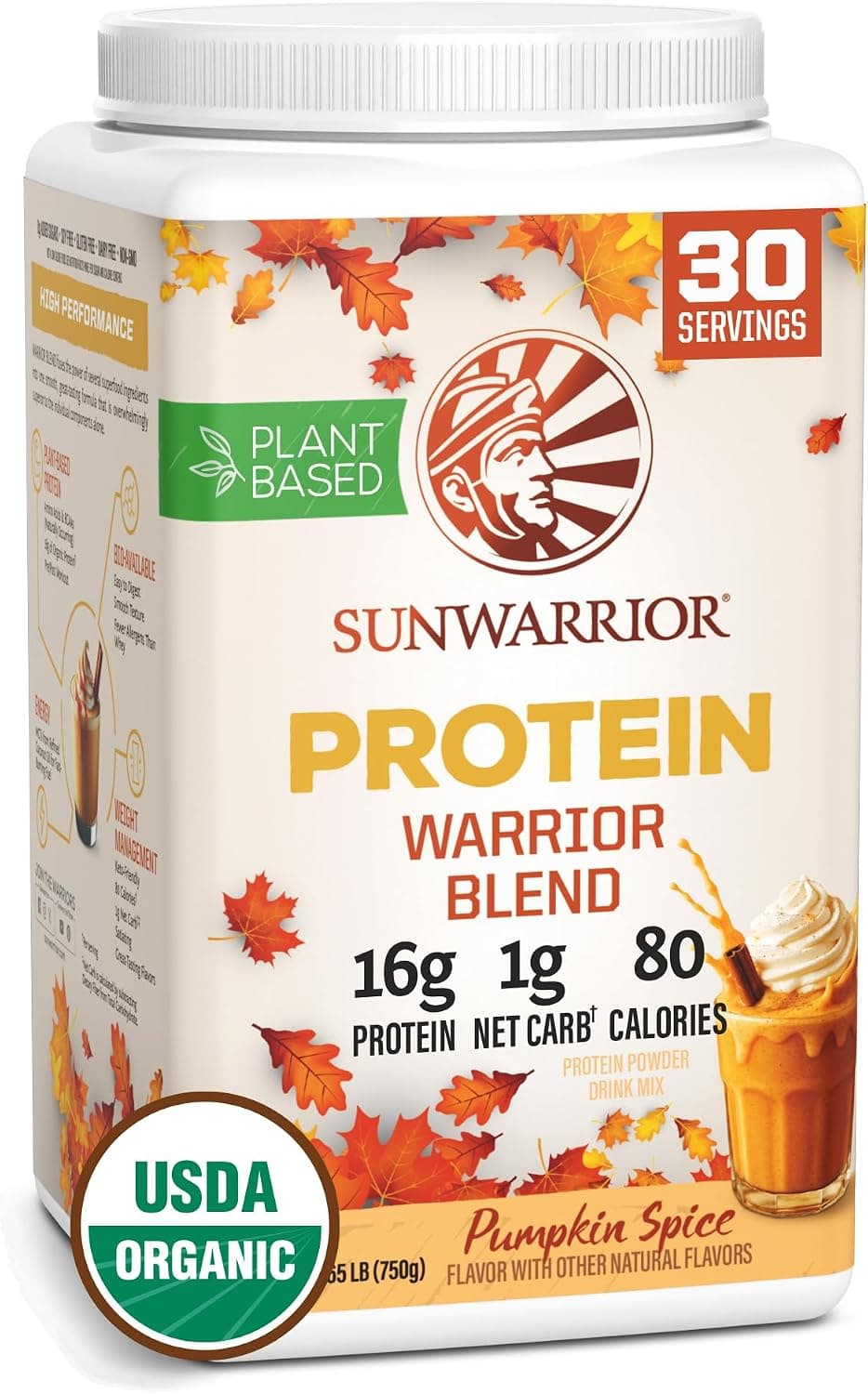 Side B Side B |
|---|---|---|
| Protein / 100 kcal | 18.2 g | 20.0 g |
| Protein / 100 g | 61.5 g | 64.0 g |
| Calories / 100 g | 338.5 kcal | 320.0 kcal |
| Fat / 100 g | 1.5 g | 4.0 g |
| Net carbs / 100 g | 12.3 g | 4.0 g |
| Fiber / 100 g | 6.2 g | 12.0 g |
| Sugar / 100 g | 0.0 g | 0.0 g |
Ghost Vegan Protein Cinnabon and Sunwarrior Warrior Blend Pumpkin Spice represent two different philosophies. Ghost optimizes for taste with a licensed Cinnabon collaboration, while Sunwarrior packs 12 g of fiber per 100 g alongside its protein. Neither tops the efficiency charts — their XRay Scores of 56.4 and 60.7 reflect the caloric cost of flavor and fiber ingredients — but if your plant powder needs to taste good enough to drink daily, this is the tier to shop.
Hemp: the fiber wildcard
Hemp is the smallest protein source in our catalogue with just two products, and it's the one that plays an entirely different game. Hemp protein is minimally processed — essentially ground hemp seeds — which means it retains the full fiber and fat profile of the seed.
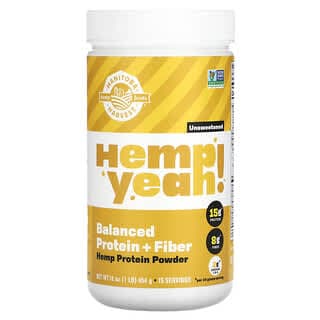
26.67 g fiber per 100 g — rank #1 of 347 powders for fiber. 50 g protein per 100 g, certified organic.
Manitoba Harvest Hemp Yeah Balanced Protein + Fiber ranks dead last on protein efficiency (50 g per 100 g is barely half of what soy delivers) but ranks #1 of all 347 powders for fiber. That 26.67 g of fiber per 100 g is more than most dedicated fiber supplements offer. If you're already hitting your protein target from whole foods and want a plant powder that contributes meaningfully to fiber intake, hemp occupies a niche that no other source touches.
The top 8 plant-based powders
| # | Product | XRay | P/100 kcal | kcal / 100 g | Buy | |
|---|---|---|---|---|---|---|
1 | MyProtein Impact Soy Protein (Unflavoured) | 98 | 23.6g | 353.3 | ||
2 | MyProtein Impact Soy Protein (Banoffee) | 98 | 23.5g | 326.7 | ||
3 | 96 | 23.3g | 343.3 | |||
4 | MyProtein Impact Soy Protein (Iced Latte) | 95 | 22.6g | 353.3 | ||
5 | 67 | 19.8g | 386.7 | |||
6 | Sunwarrior Warrior Blend Protein (Pumpkin Spice) | 61 | 20.0g | 320.0 | Buy | |
7 | 56 | 18.2g | 338.5 | Buy | ||
8 | 40 | 13.6g | 366.7 | Buy |
The pattern is clear: soy isolate sweeps the top spots on raw efficiency, plant blends offer a solid middle ground, and pea and hemp bring taste and fiber diversity at the cost of some protein density. There's no single "best" — it depends on what you're optimizing for.
What to look for in a vegan powder
If you want maximum protein per calorie: soy isolate is the clear winner, and it's not close. The top soy powders match or beat the best whey isolates in the entire catalogue. If you've dismissed soy because of outdated concerns, the data makes a strong case for reconsidering — as we found in our weight-loss powder ranking, protein efficiency is the metric that matters most when every calorie counts.
If you want a complete amino profile: plant blends (pea + rice is the gold standard combination) cover all essential amino acids without needing to pair foods. You'll trade some efficiency for completeness.
If you want fiber alongside protein: hemp is the only source that delivers meaningful fiber. Sunwarrior's plant blends are the middle option with 12 g per 100 g. Most soy and pea isolates have little to no fiber.
If taste is the dealbreaker: shop the flavored pea and plant-blend ranges from Ghost, Sunwarrior, and Vega. You'll score lower on raw efficiency, but consistency matters more than optimization if you're not finishing the tub.