When you're in a deficit, your protein powder is doing one job: deliver as much protein as possible for the fewest calories. Everything else — flavor, mixability, brand loyalty — is secondary.
We ranked over 300 protein powders by protein efficiency (grams of protein per 100 kcal) and cross-referenced with leanness to find the powders that actually earn a spot in a cutting diet. Here are the winners.
MacroXray may earn a commission on some links in this article at no extra cost to you. Full disclosure.
What makes a good cutting powder
Two dimensions matter more than everything else: protein efficiency and leanness. Protein efficiency measures how many grams of protein you get per 100 kcal — higher means you're spending fewer calories to hit your protein target. Leanness measures how little fat a powder carries relative to its protein content.
The sweet spot? Isolates. Whey isolate, hydrolyzed whey, and clear whey dominate the top of both rankings because the extra processing strips out most of the fat and carbs, leaving near-pure protein. Concentrates can still work, but they typically sit 10–15 percentile points lower on leanness.
The top 10 powders for cutting
| # | Product | XRay | P/100 kcal | kcal / 100 g | Buy | |
|---|---|---|---|---|---|---|
1 | 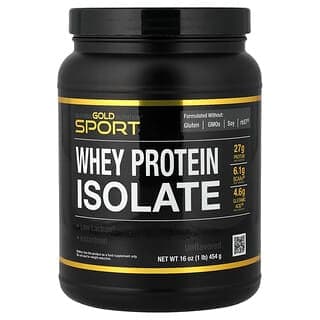 California Gold Nutrition Sport, Whey Protein Isolate, Unflavored | 93 | 22.5g | 387.1 | Buy | |
2 | 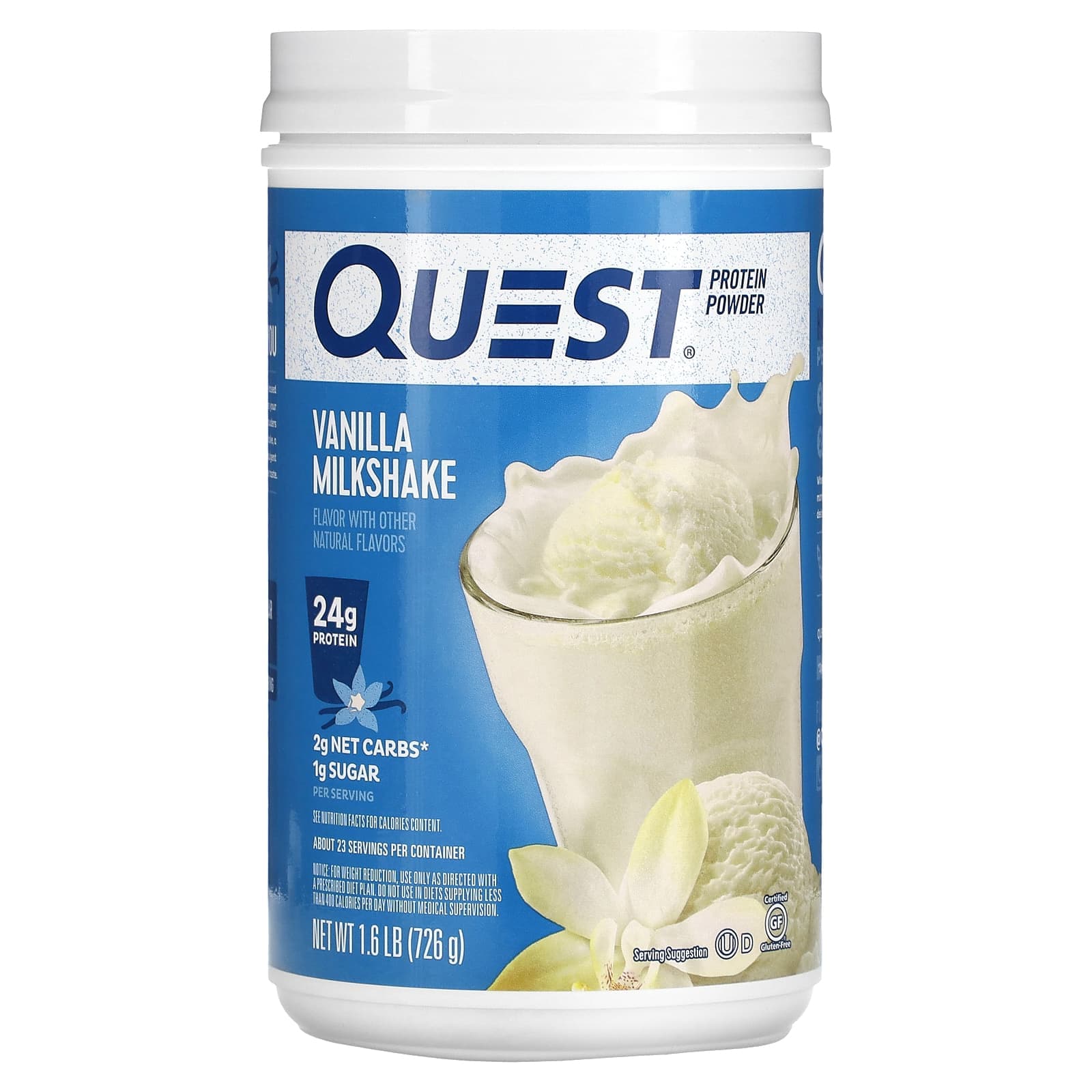 Quest Nutrition Protein Powder, Vanilla Milkshake | 86 | 21.8g | 354.8 | Buy | |
3 |  Quest Nutrition Protein Powder, Salted Caramel | 82 | 21.7g | 352.9 | Buy | |
4 | 85 | 20.8g | 387.1 | Buy | ||
5 | 85 | 22.7g | 366.7 | Buy | ||
6 | 78 | 20.8g | 375.0 | Buy | ||
7 | 80 | 23.9g | 363.3 | |||
8 |  Optimum Nutrition Gold Standard® 100% Isolate, Chocolate Bliss | 73 | 22.7g | 354.8 | Buy | |
9 | 94 | 25.0g | 281.7 | Buy | ||
10 | 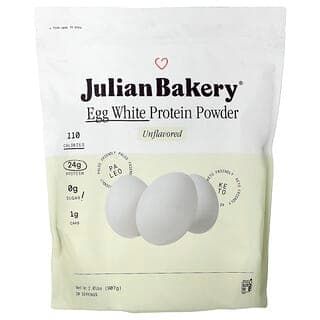 Julian Bakery Egg White Protein Powder, Unflavored | 74 | 21.8g | 366.7 | Buy |
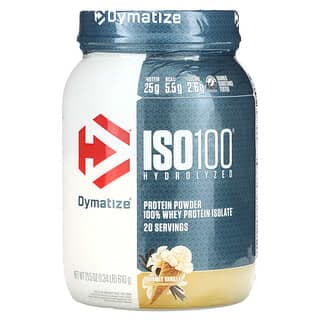
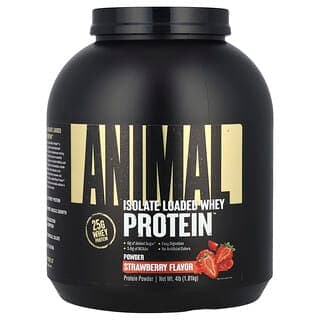
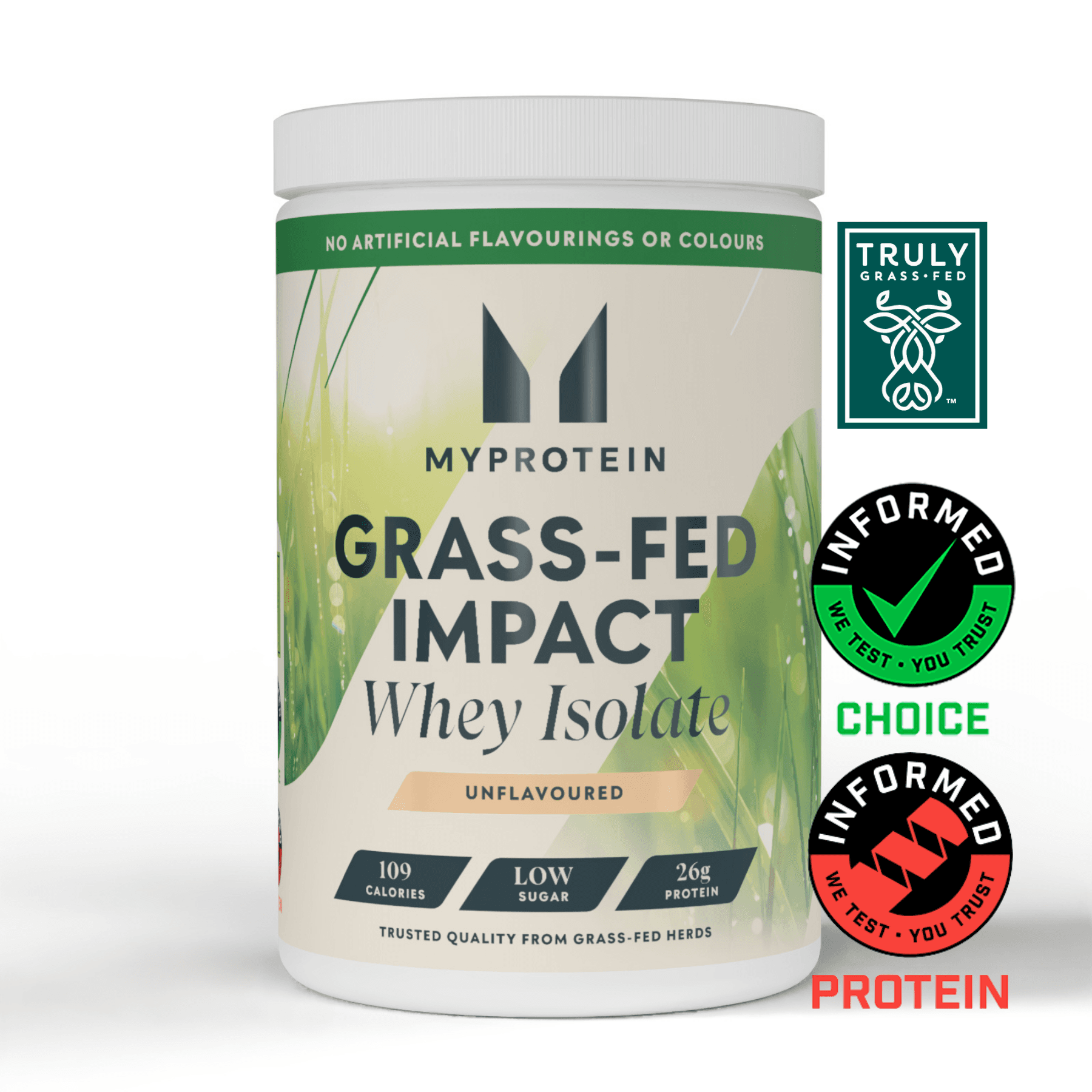
Six brands, three protein sources (whey isolate, hydrolyzed whey, egg white), one pattern: virtually zero fat, minimal carbs, and protein concentrations above 76 g per 100 g. That's the anatomy of a cutting powder.
California Gold Nutrition: the quiet overachiever
California Gold Nutrition's unflavored whey isolate flies under the radar, but the numbers speak for themselves.
87.1 g protein per 100 g, literally zero fat, zero carbs. The purest macro profile in the top 20.
Zero fat, zero carbs, 87.1 g of protein per 100 g — and it's consistently one of the most affordable isolates on the market. The trade-off is obvious: it's unflavored. If you can handle mixing it into a smoothie or flavoring it yourself, this is hard to beat on pure efficiency.
Quest vs Dymatize: the mainstream pick
If you want something that actually tastes good out of the shaker, the real comparison is Quest vs Dymatize ISO100. Both are whey isolates, both rank in the top 20, both are widely available.
| Metric | Side A | 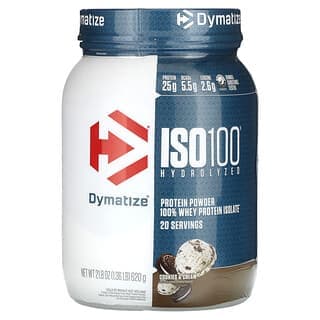 Side B Side B |
|---|---|---|
| Protein / 100 kcal | 21.8 g | 20.8 g |
| Protein / 100 g | 77.4 g | 80.7 g |
| Calories / 100 g | 354.8 kcal | 387.1 kcal |
| Fat / 100 g | 1.6 g | 1.6 g |
| Net carbs / 100 g | 6.5 g | 6.5 g |
| Fiber / 100 g | 0.0 g | 0.0 g |
| Sugar / 100 g | 3.2 g | 3.2 g |
Quest delivers slightly more protein per calorie, while Dymatize packs more protein per 100 g thanks to its hydrolyzed processing. Both sit under 2 g of fat per 100 g. The practical difference is small — pick whichever flavor you'll actually finish the tub of. As we found in our Dymatize ISO100 vs ON Gold Standard comparison, Dymatize consistently outperforms ON on protein efficiency.
The clear whey option
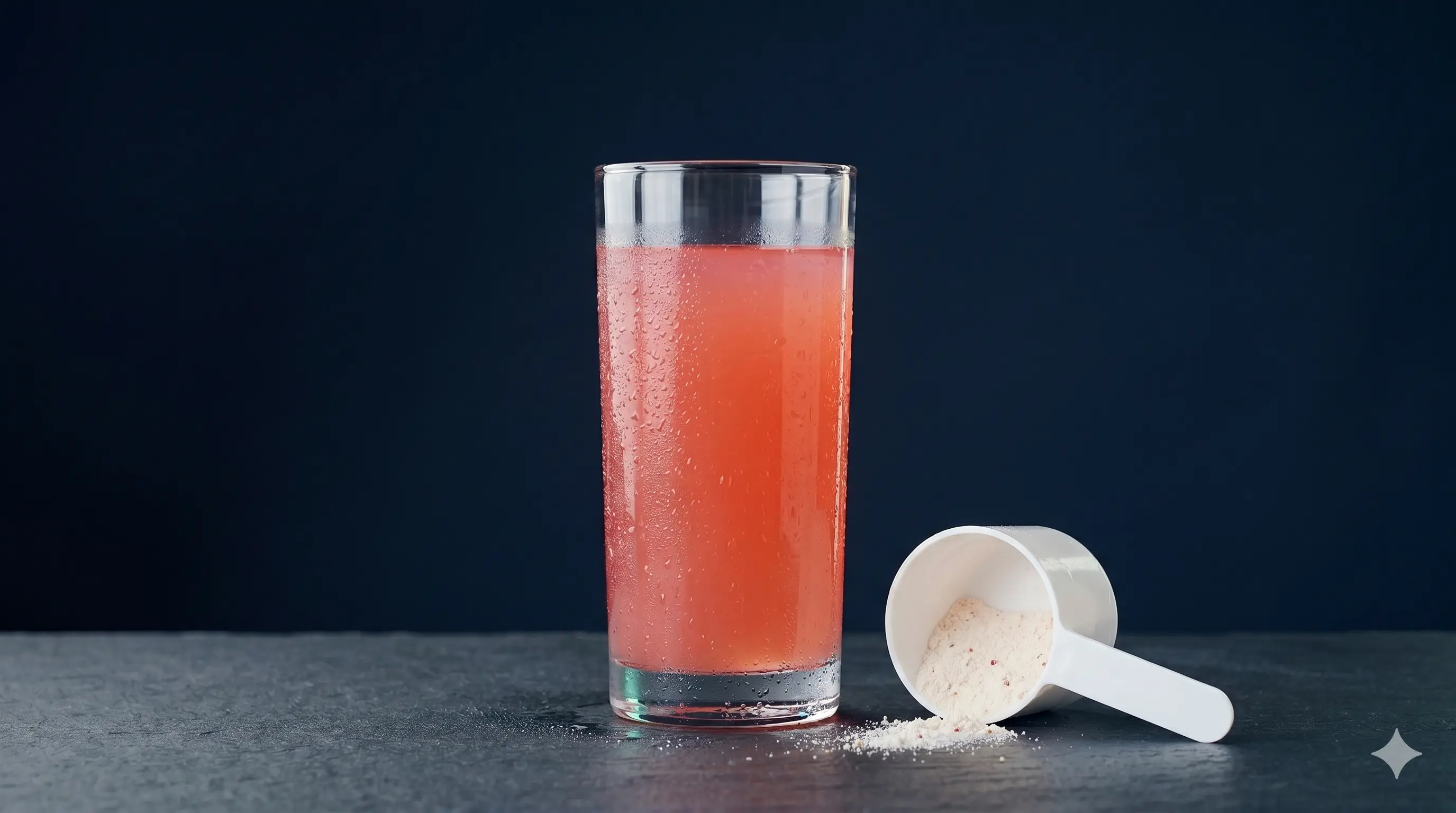
If you've read our clear protein vs milky shake breakdown, you know clear whey trades the creamy texture for a juice-like drink with drastically fewer calories. That trade-off is exactly what cutting calls for.
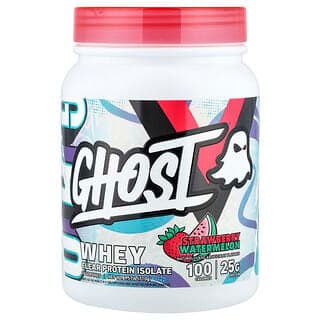
Rank #2 of 53 clear powders — 281 kcal per 100 g, lowest calorie density in the entire powder catalogue.
Ghost Clear Whey Strawberry Watermelon sits at just 281 kcal per 100 g — lower than any milky powder on this list. It's especially useful in summer or if you're cutting hard and can't stomach another thick shake. The XRay Score of 93.6 puts it at rank #2 across all clear powders.
How these powders compare to whole foods
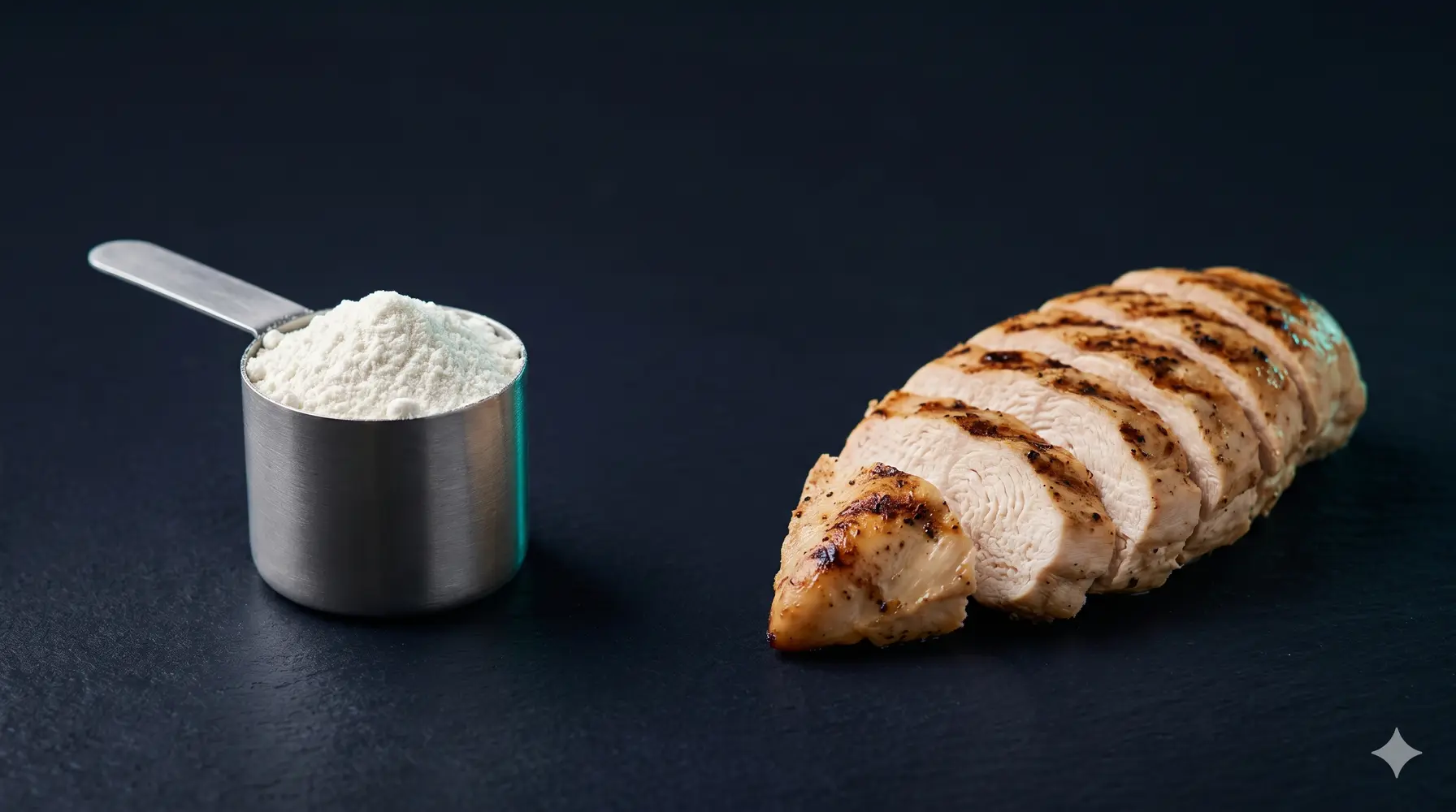
The case for protein powder during a cut isn't just convenience — it's caloric efficiency. Here's how the top pick stacks up against the everyday protein sources you'd otherwise rely on.
| Metric | 🍗 Chicken breast, cooked | |
|---|---|---|
| Protein / 100 kcal | 22.5 g | 18.8 g |
| Protein / 100 g | 87.1 g | 31.0 g |
| Calories / 100 g | 387.1 kcal | 165.0 kcal |
| Fat / 100 g | 0.0 g | 3.6 g |
| Fiber / 100 g | 0.0 g | 0.0 g |
| Sugar / 100 g | 0.0 g | 0.0 g |
Chicken breast is still the gold standard whole food for cutting, but protein powder edges it on pure protein-per-calorie and destroys it on convenience. Where powder really shines is against yoghurt and eggs — foods that carry meaningful fat and carb loads alongside their protein.
What about casein?
Casein gets recommended for cutting because it's slow-digesting — theoretically keeping you fuller for longer. California Gold Nutrition Micellar Casein ranks #9 overall with an XRay Score of 87.3, so it's not a bad choice by any measure. But the protein efficiency gap between casein and whey isolate is real: casein typically delivers 21–22 g of protein per 100 kcal versus 22–25 g for the best isolates. If you're optimizing strictly for calories, whey isolate wins. If you're optimizing for satiety between meals, casein before bed is a proven strategy — just budget the extra calories accordingly.
Bottom line
Isolates dominate cutting. The processing that strips fat and carbs is exactly what a calorie deficit rewards. If you want the absolute leanest option, go unflavored — California Gold Nutrition's whey isolate is the quiet king of this category. If flavor matters (and it should — you need to actually drink this stuff consistently), Quest and Dymatize ISO100 are the mainstream picks that still rank in the top 15 of 281 powders. And if you're cutting in summer or just tired of thick shakes, clear whey from Ghost gives you the lowest calorie density in the entire powder catalogue.